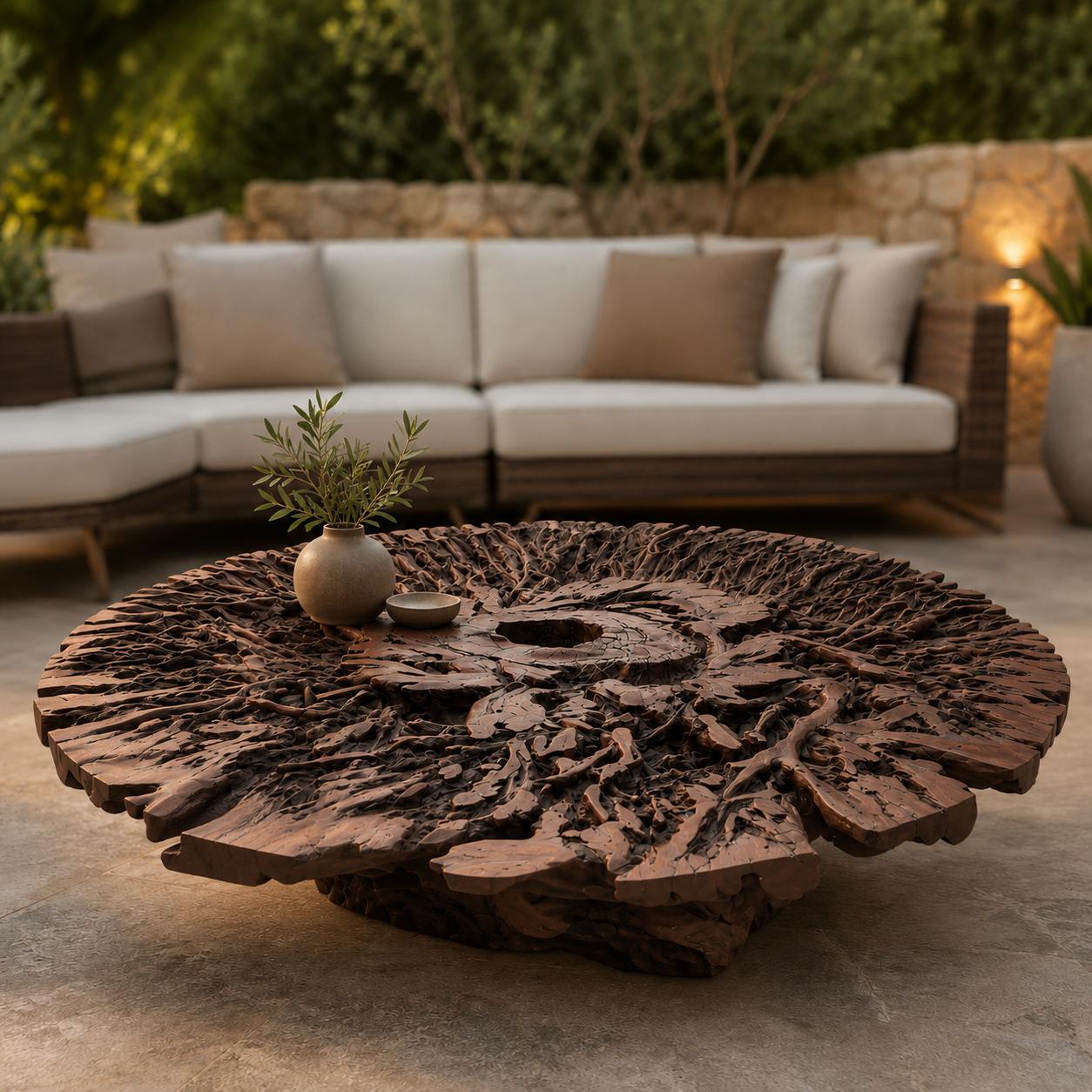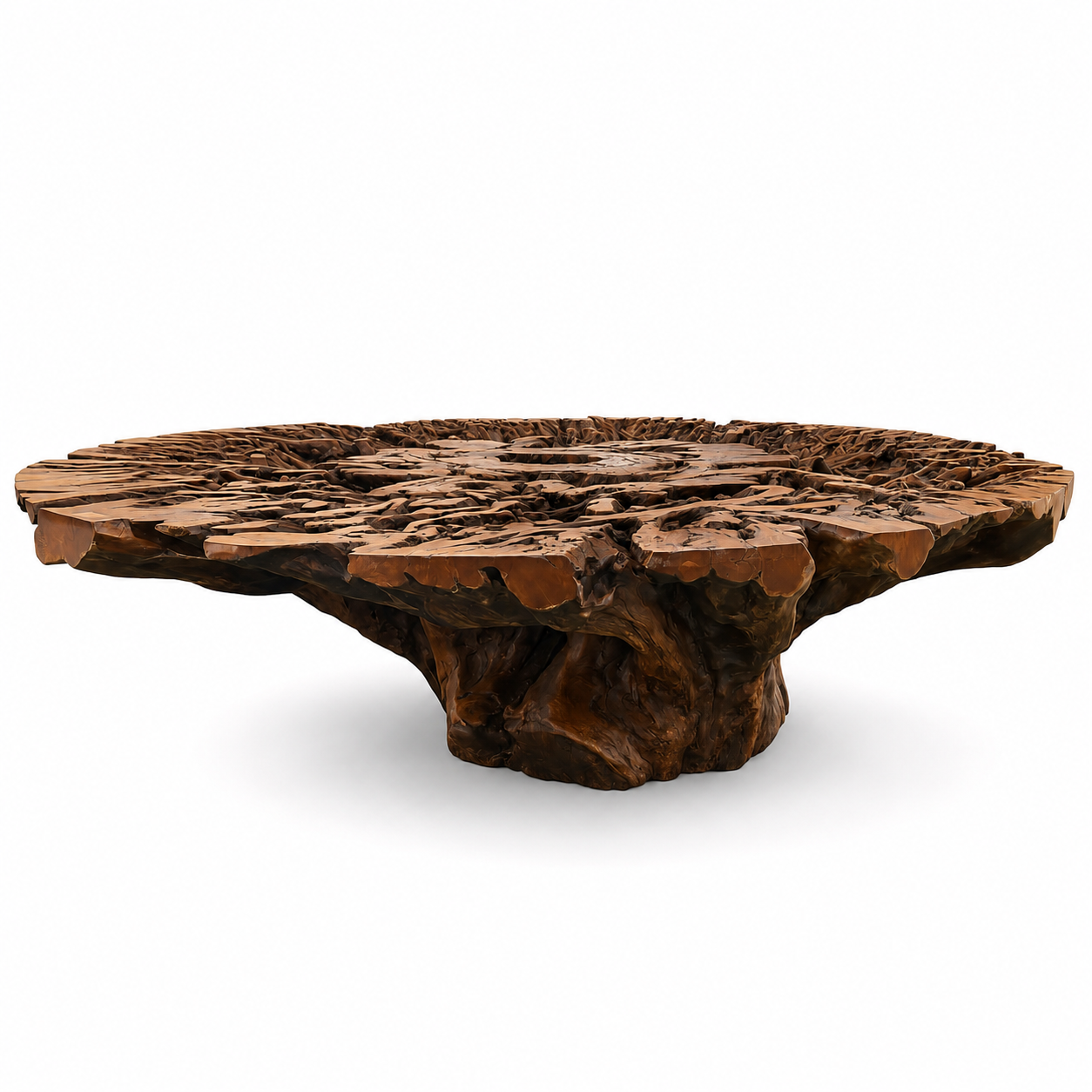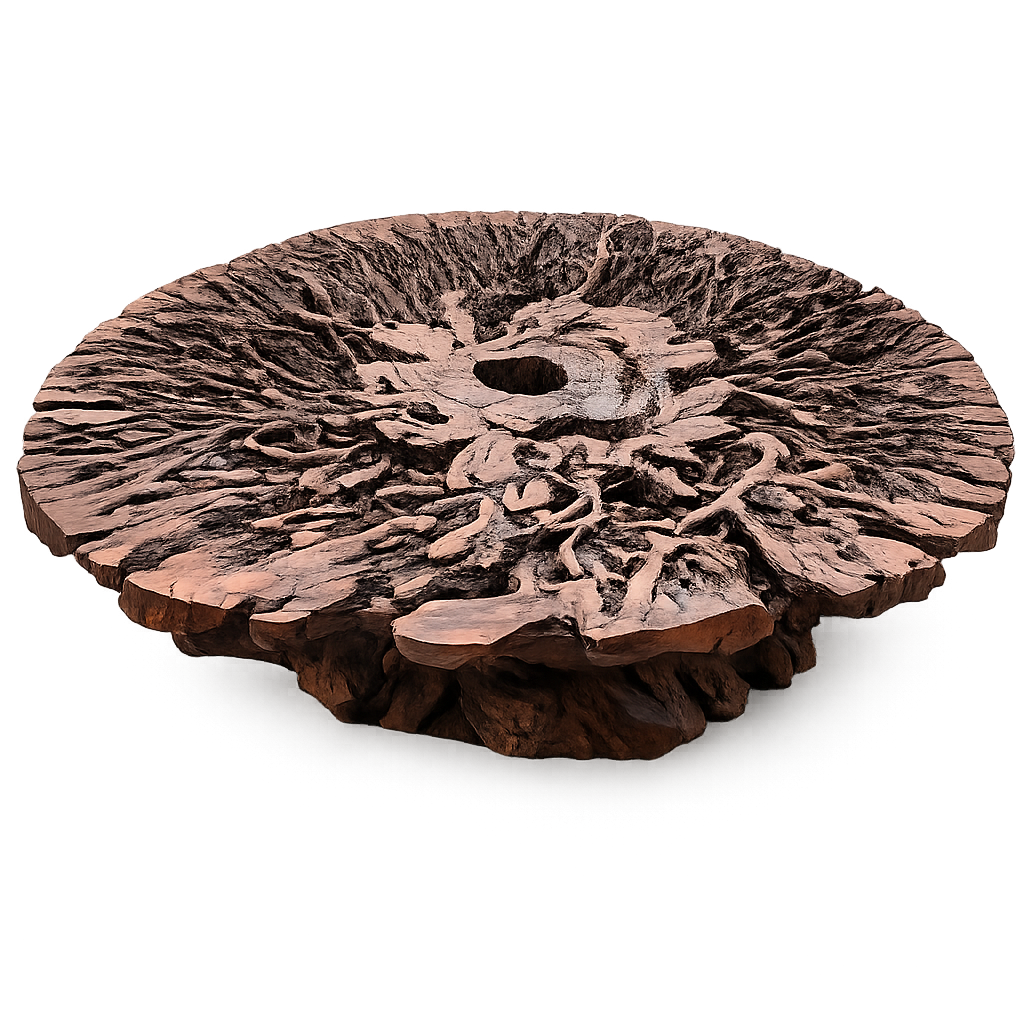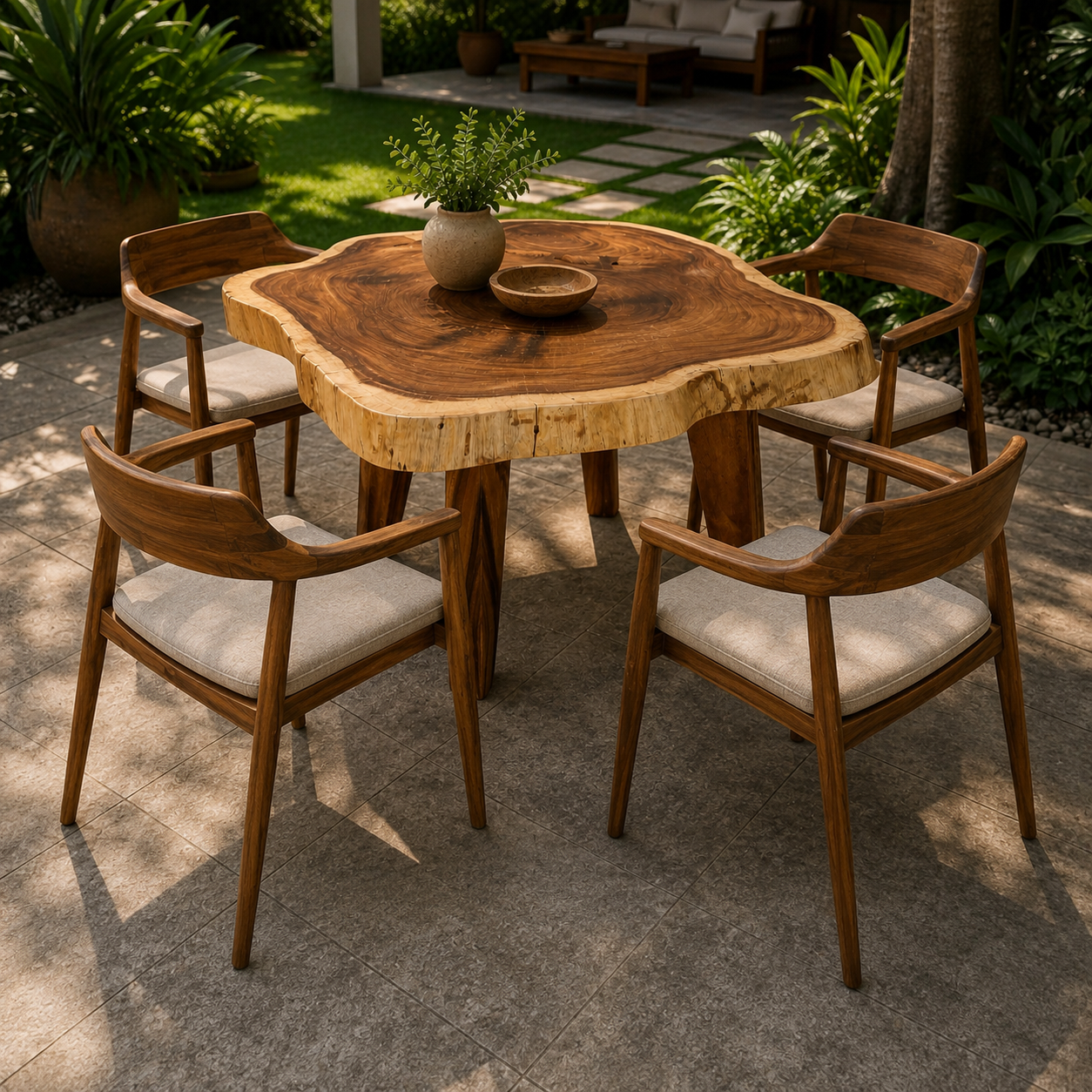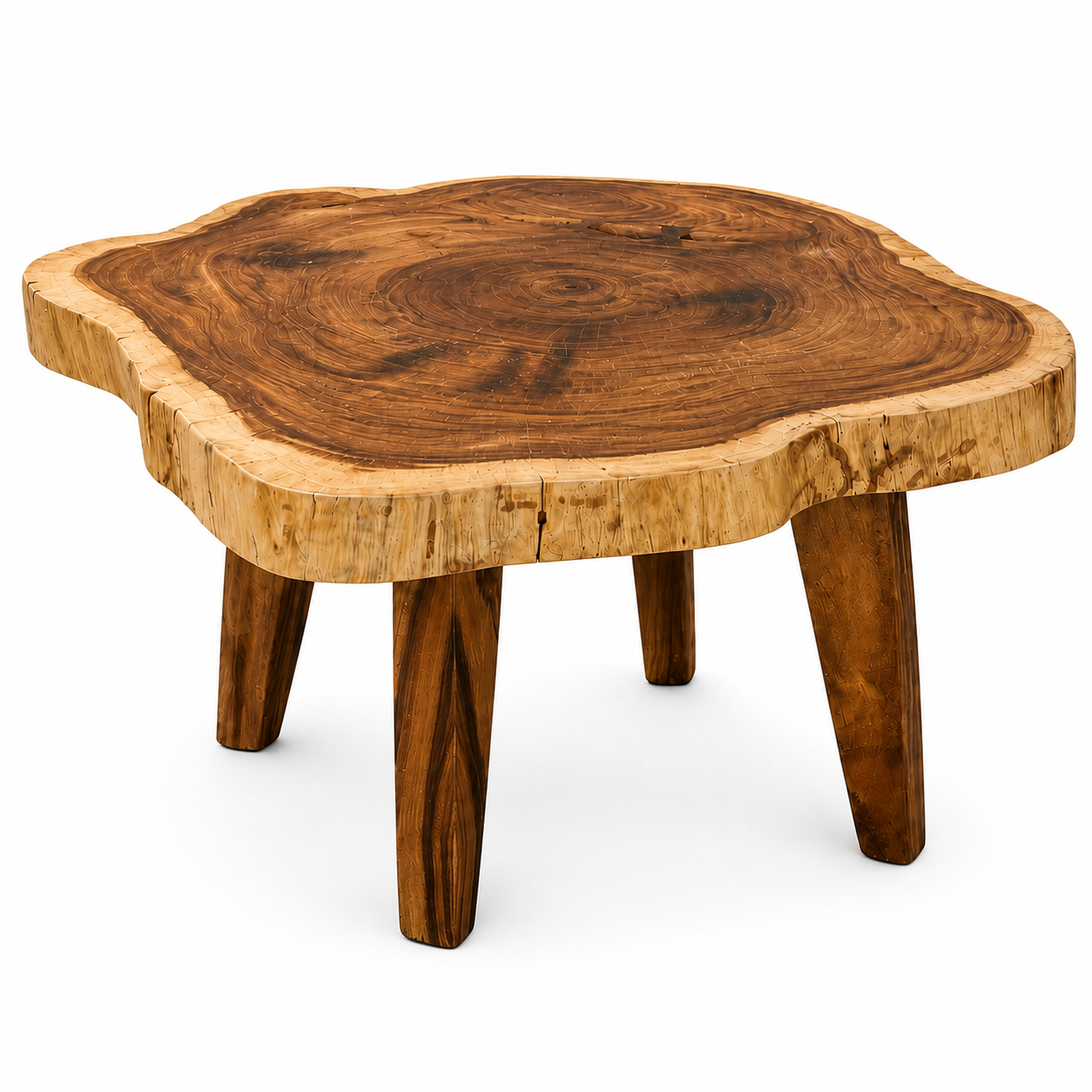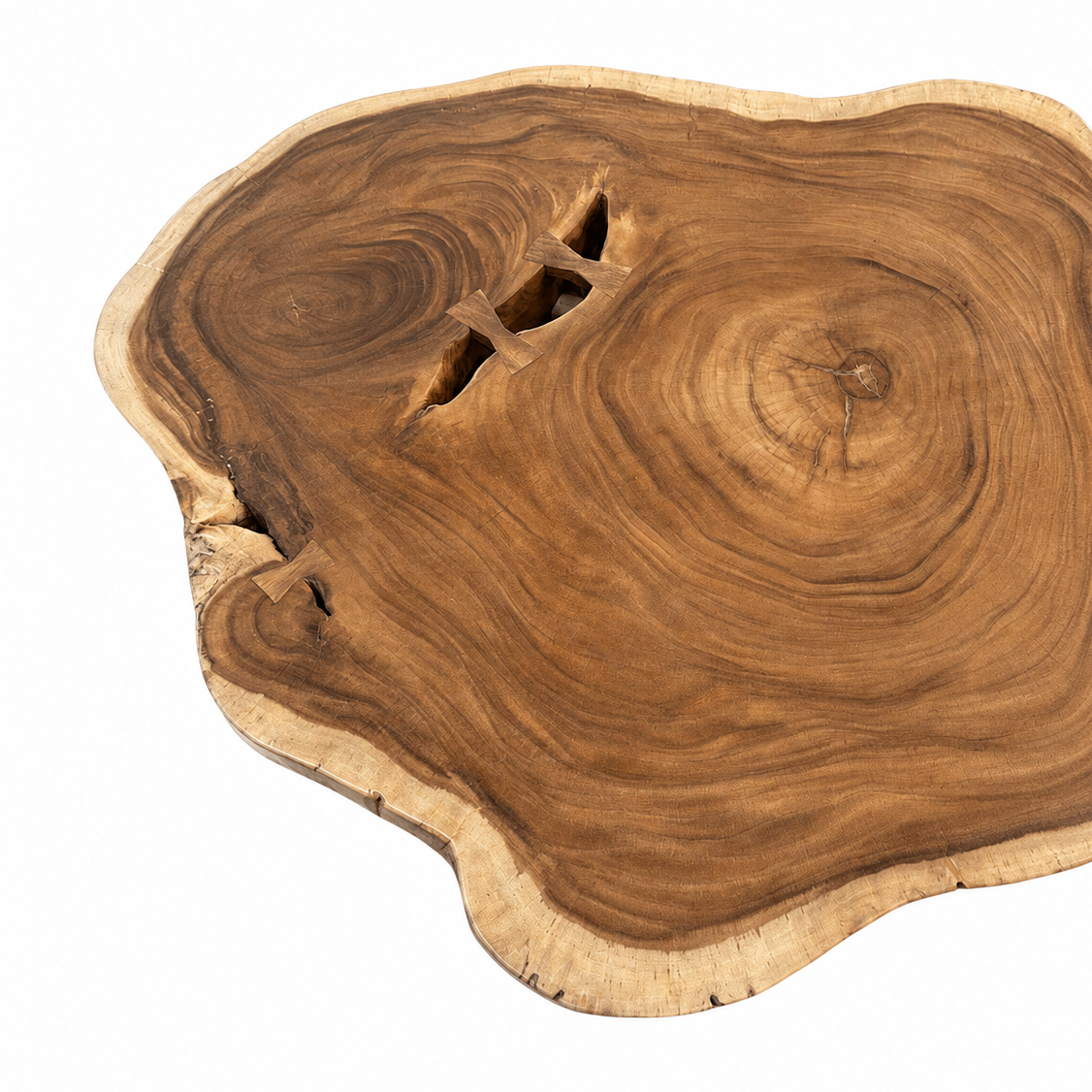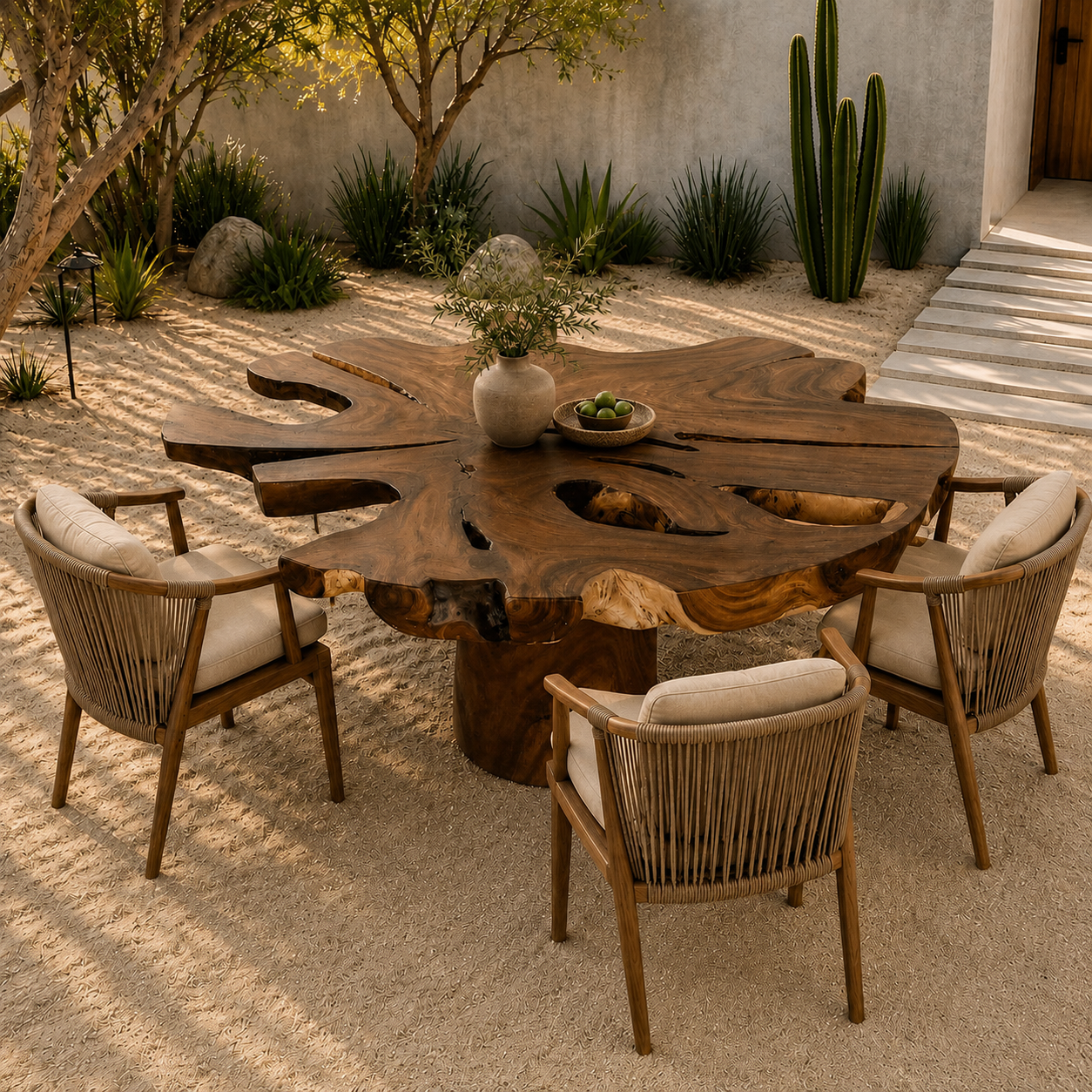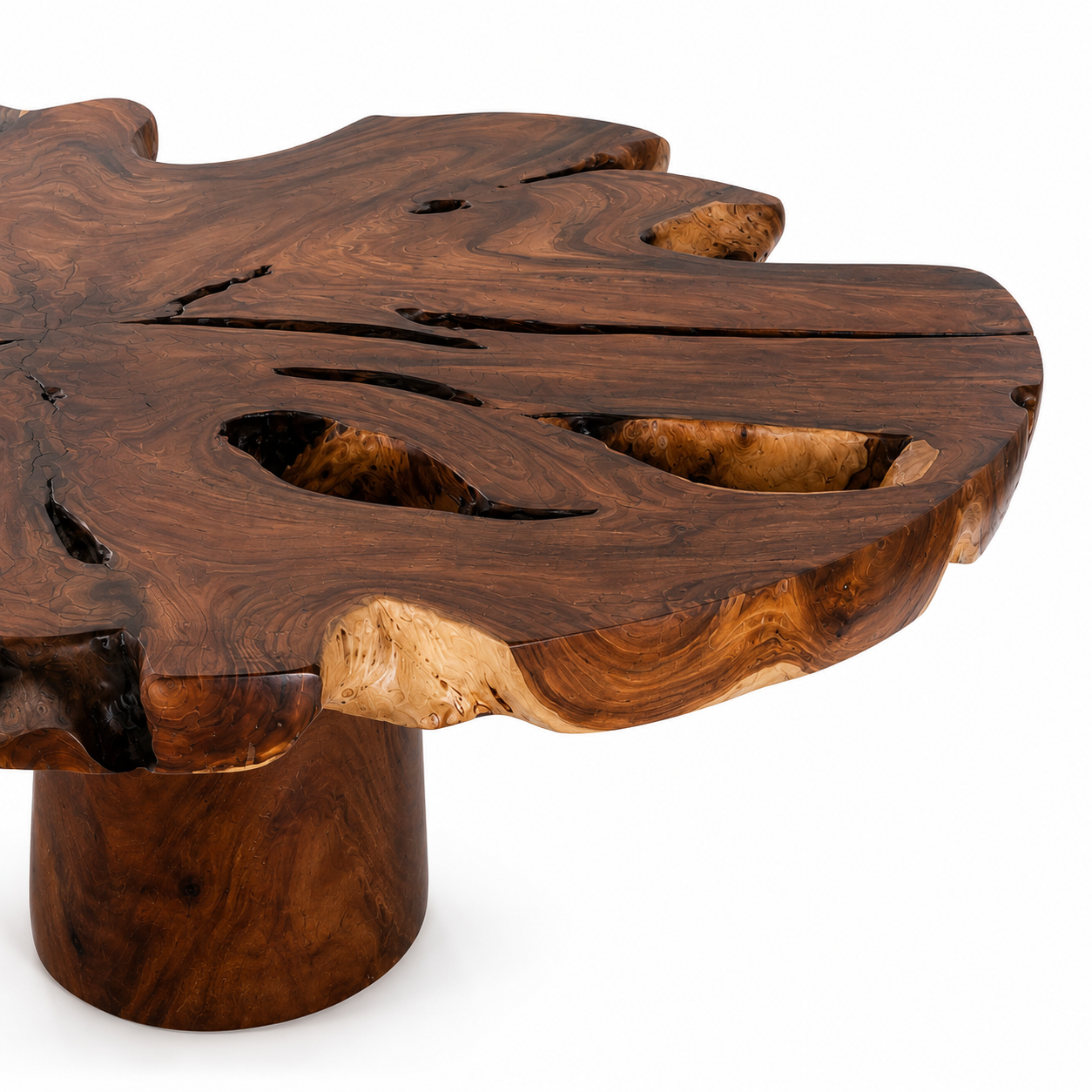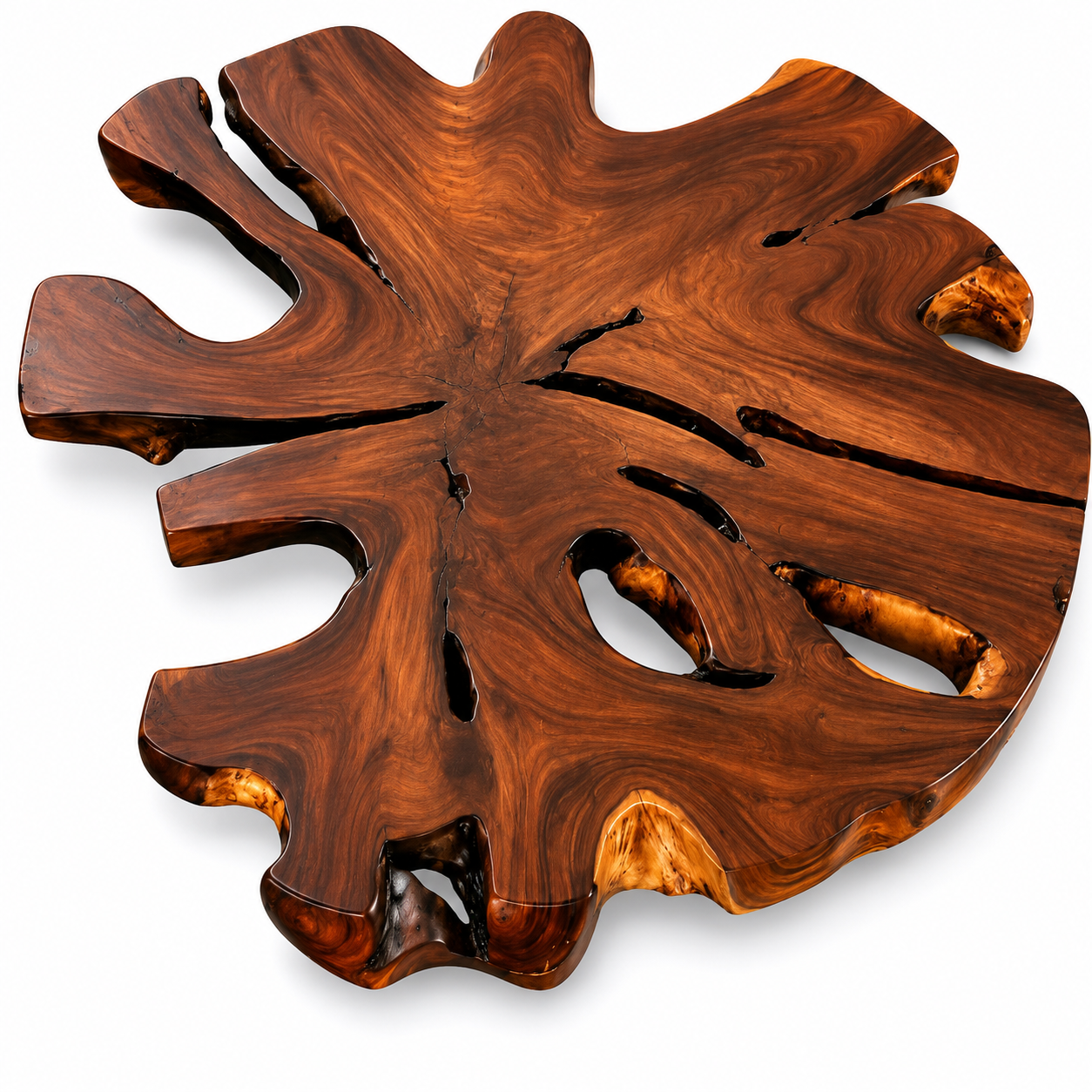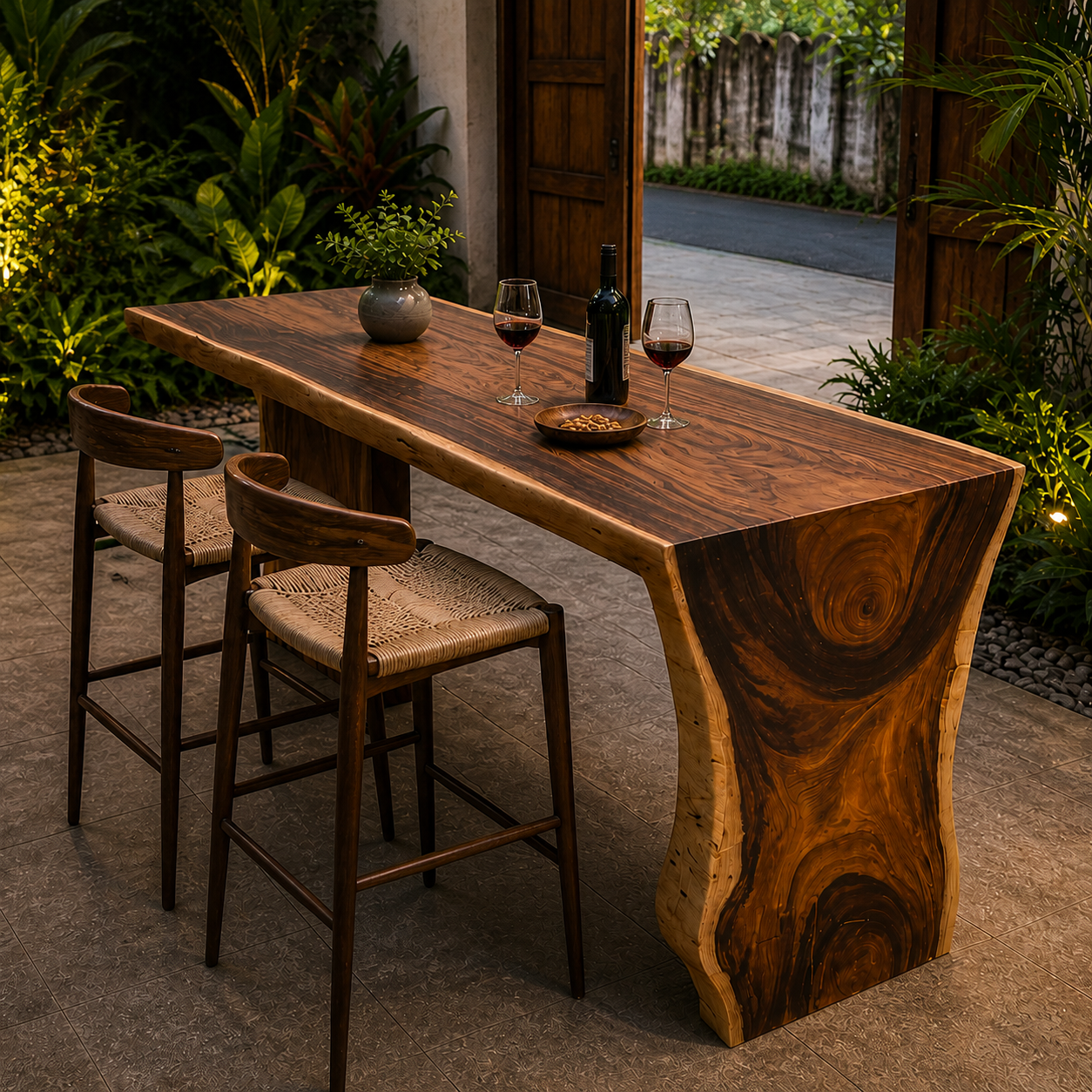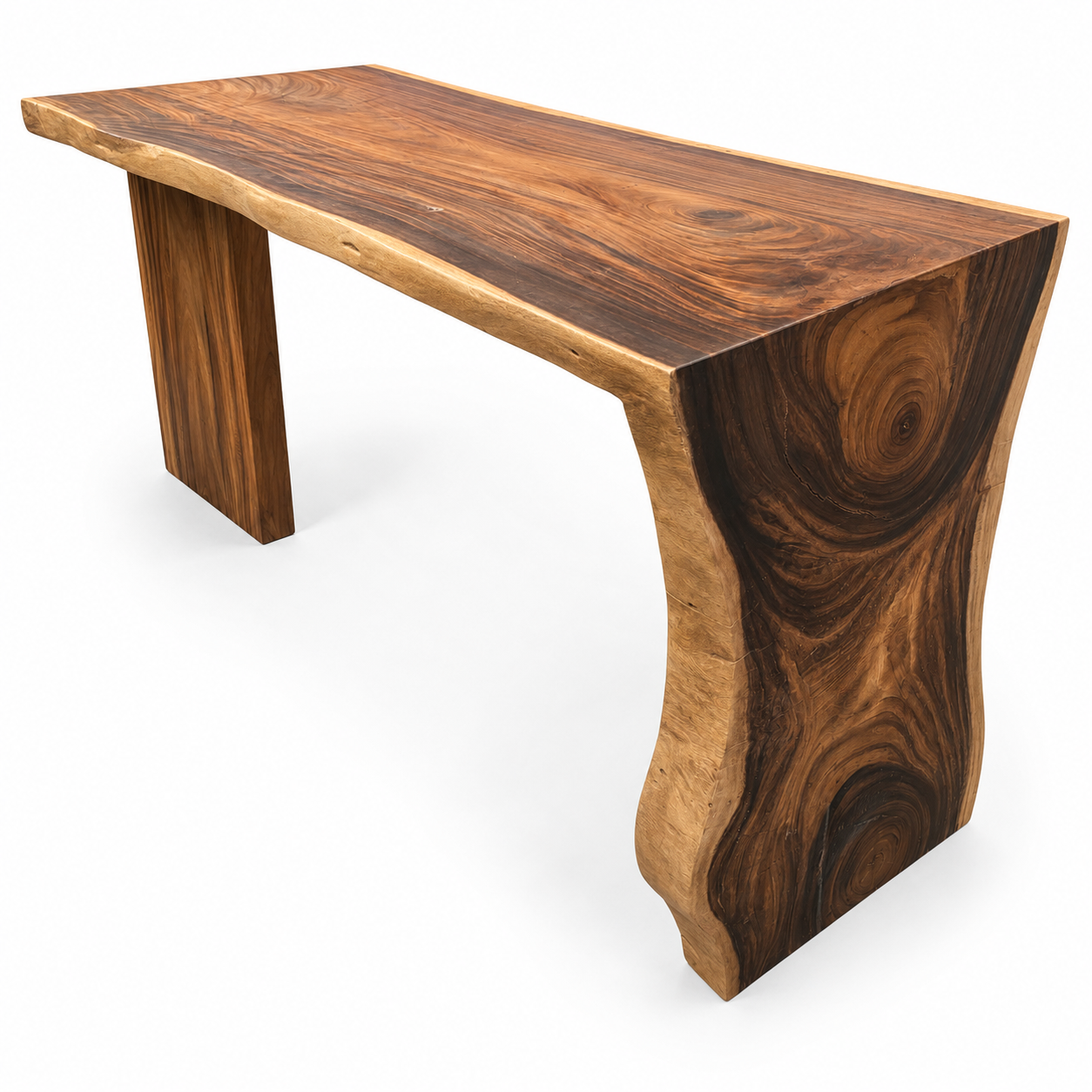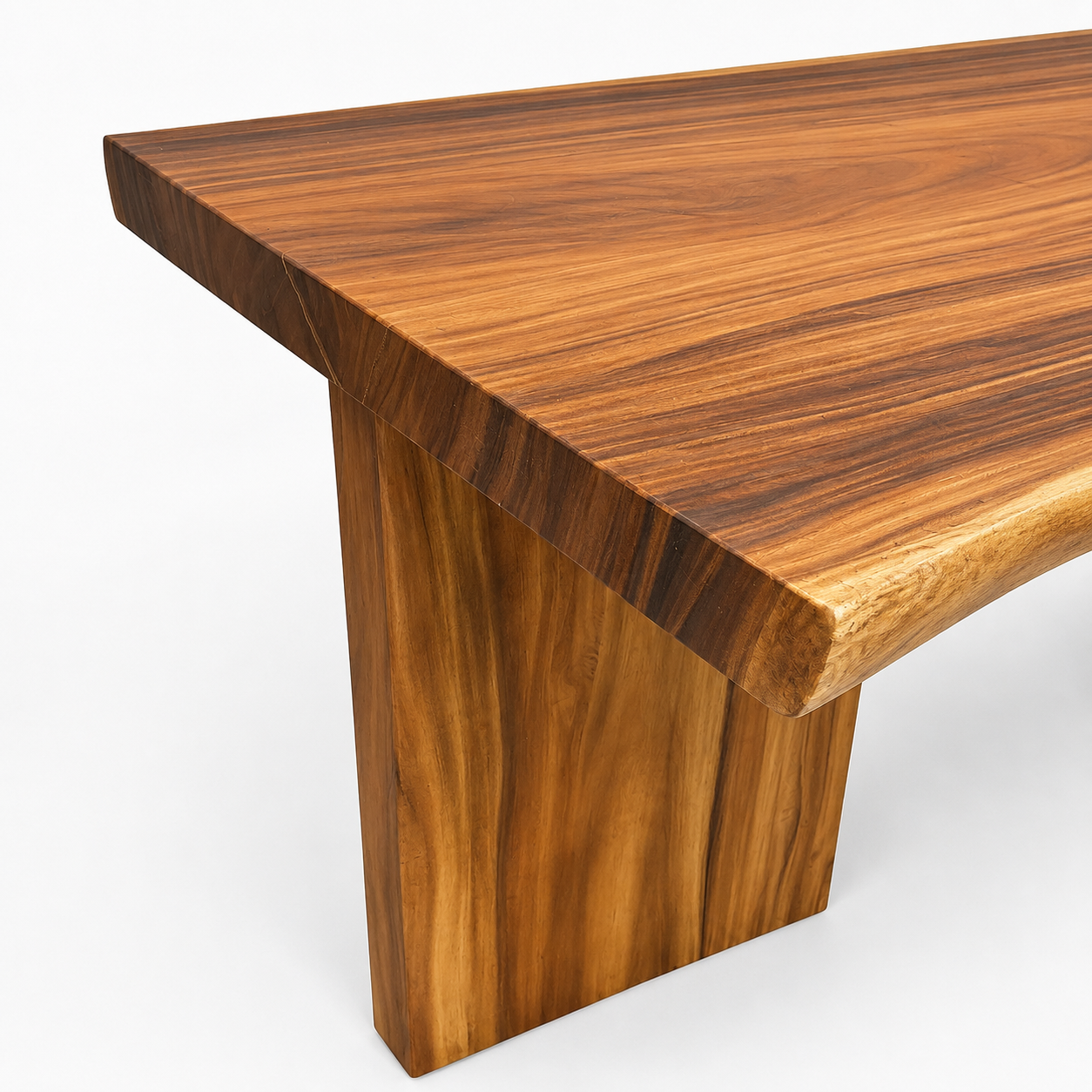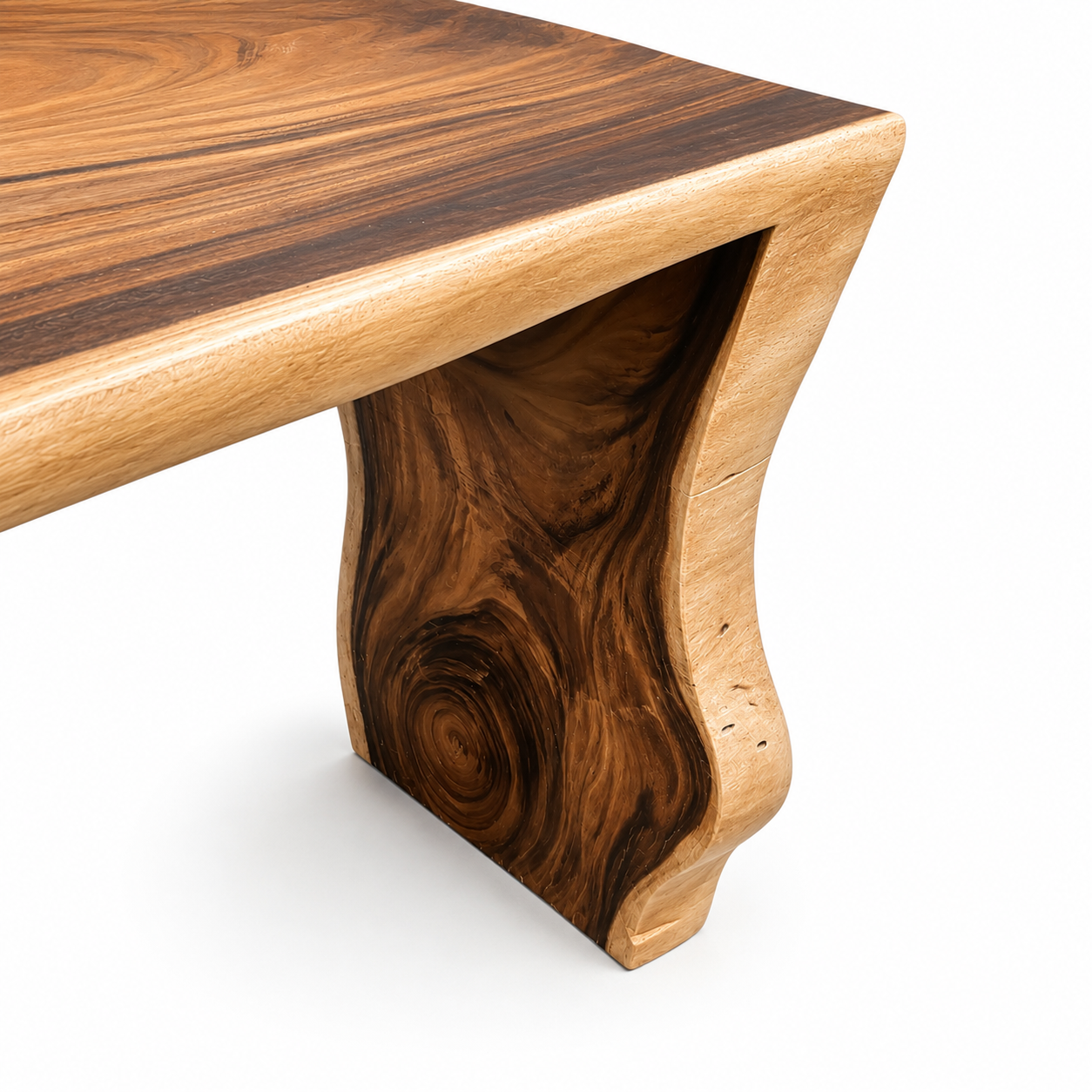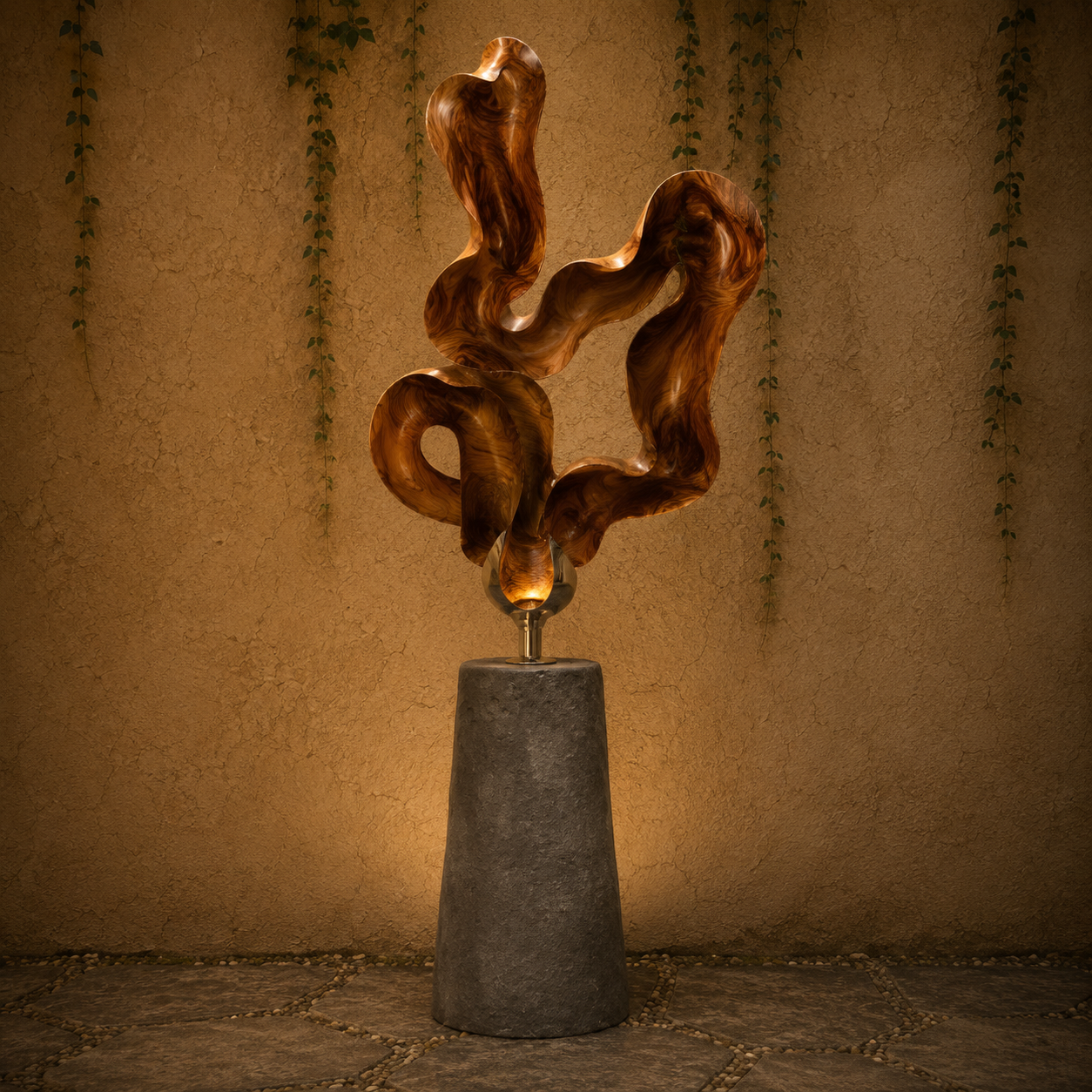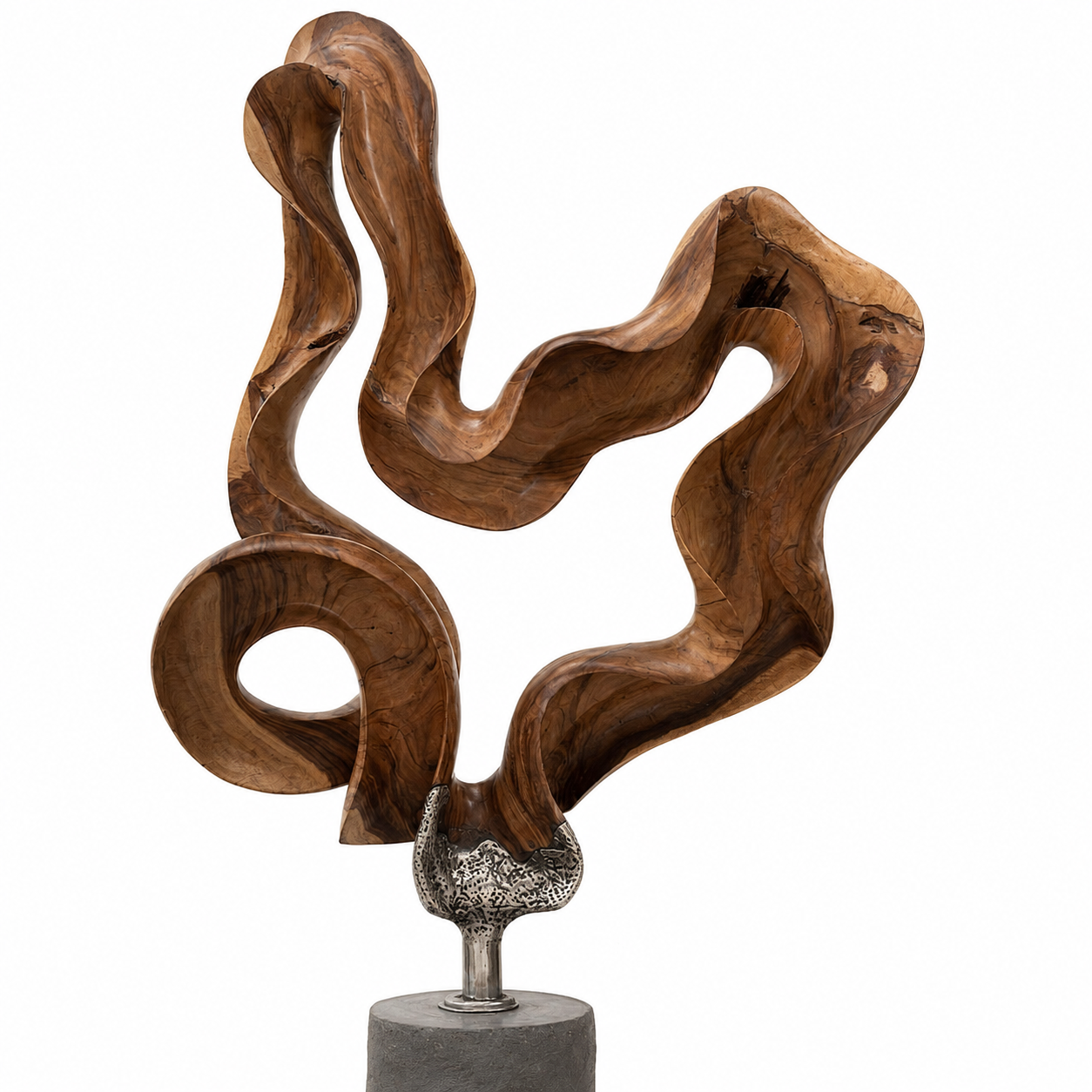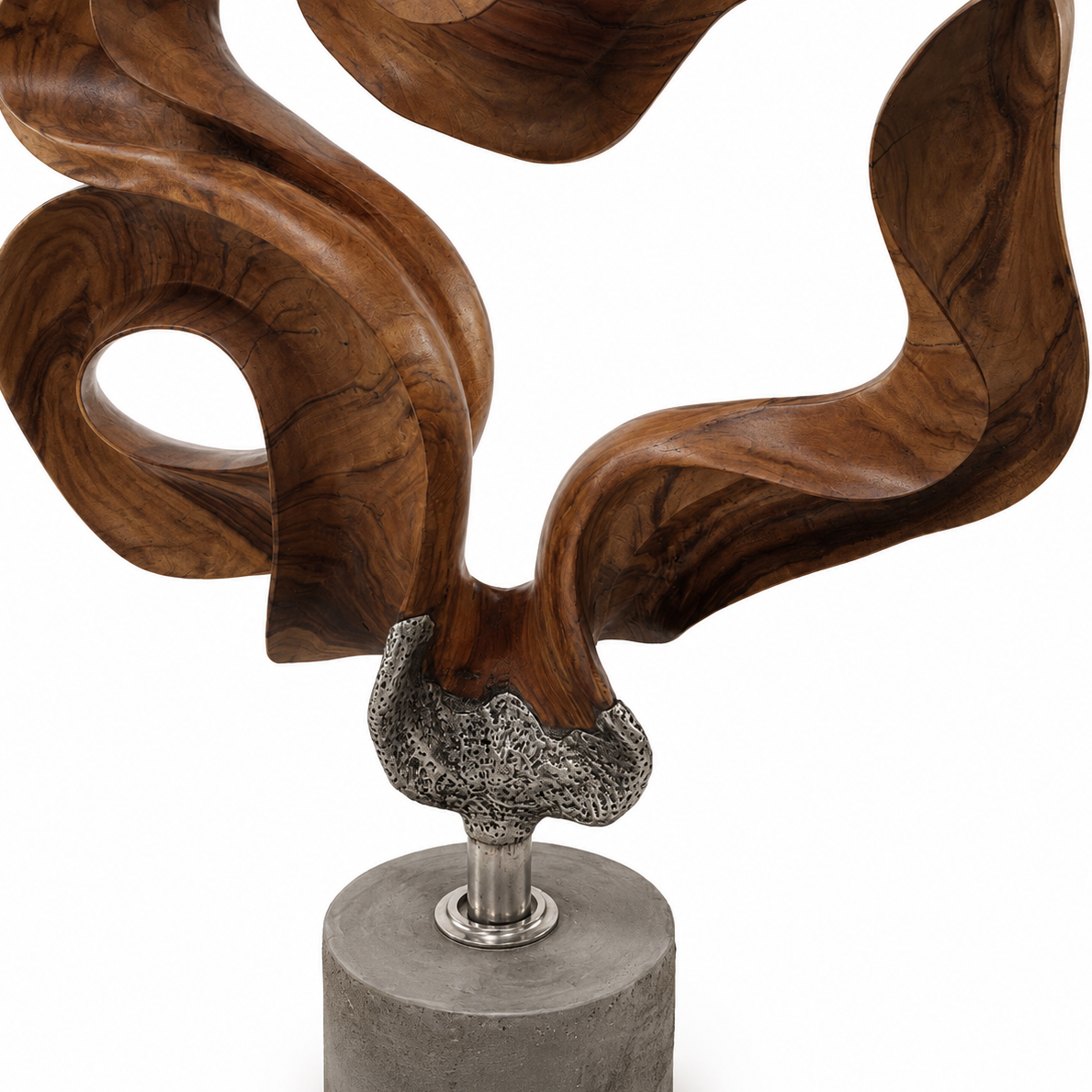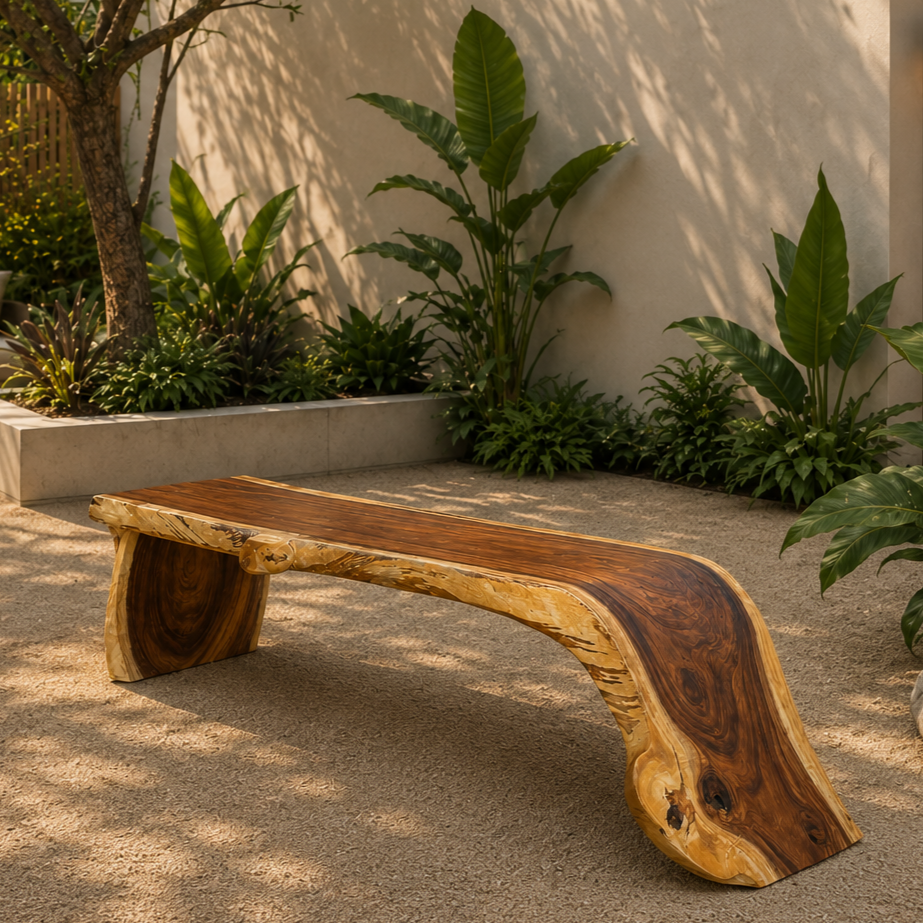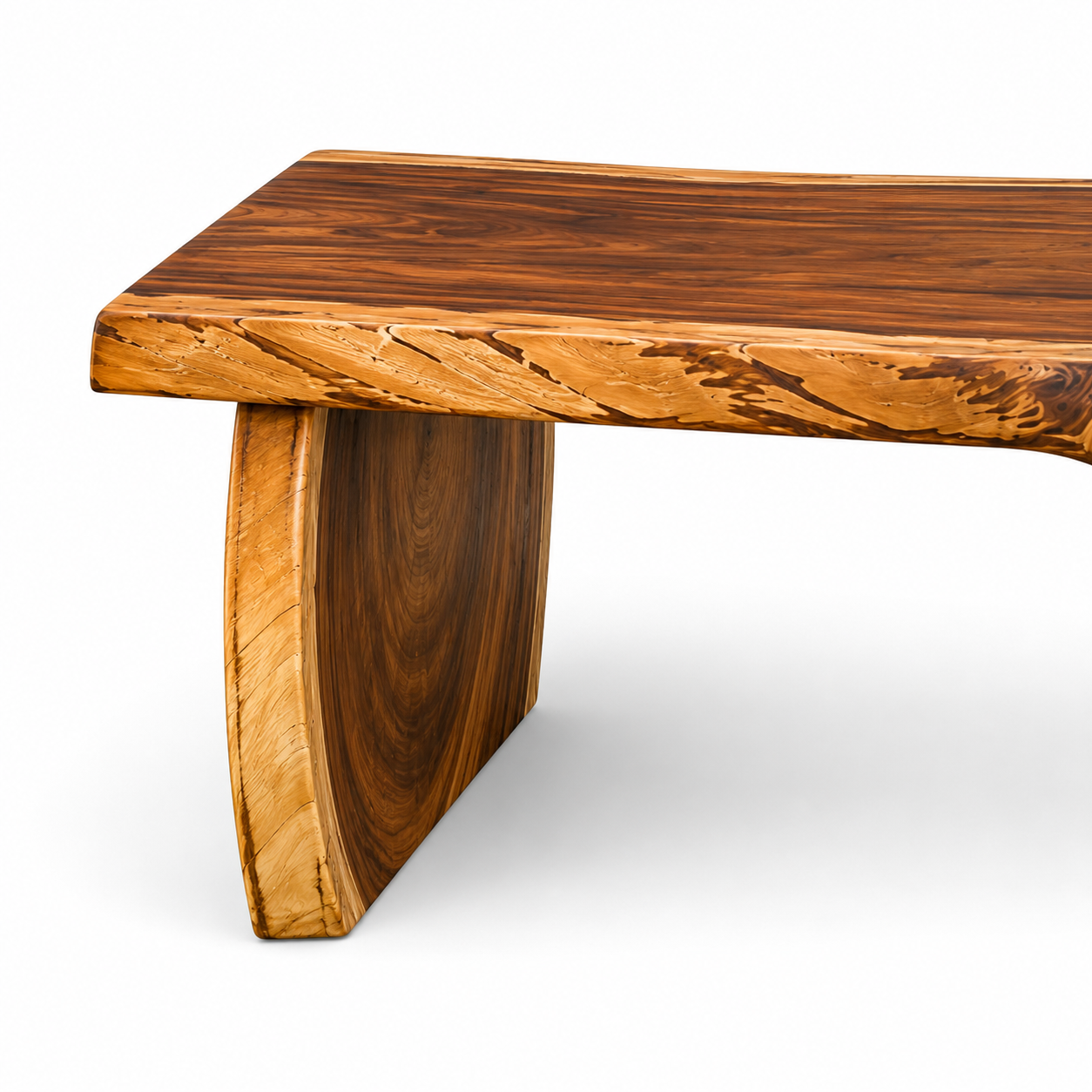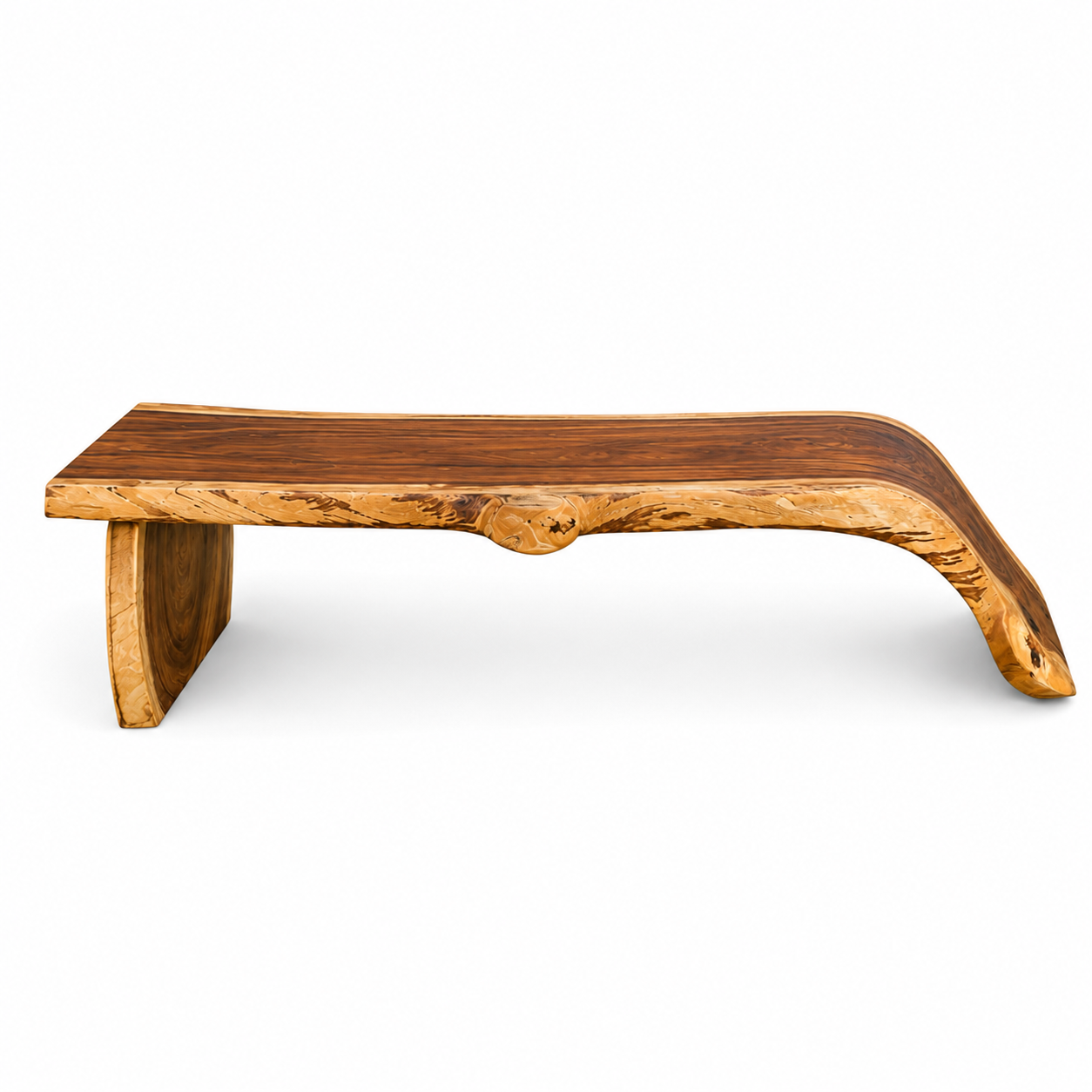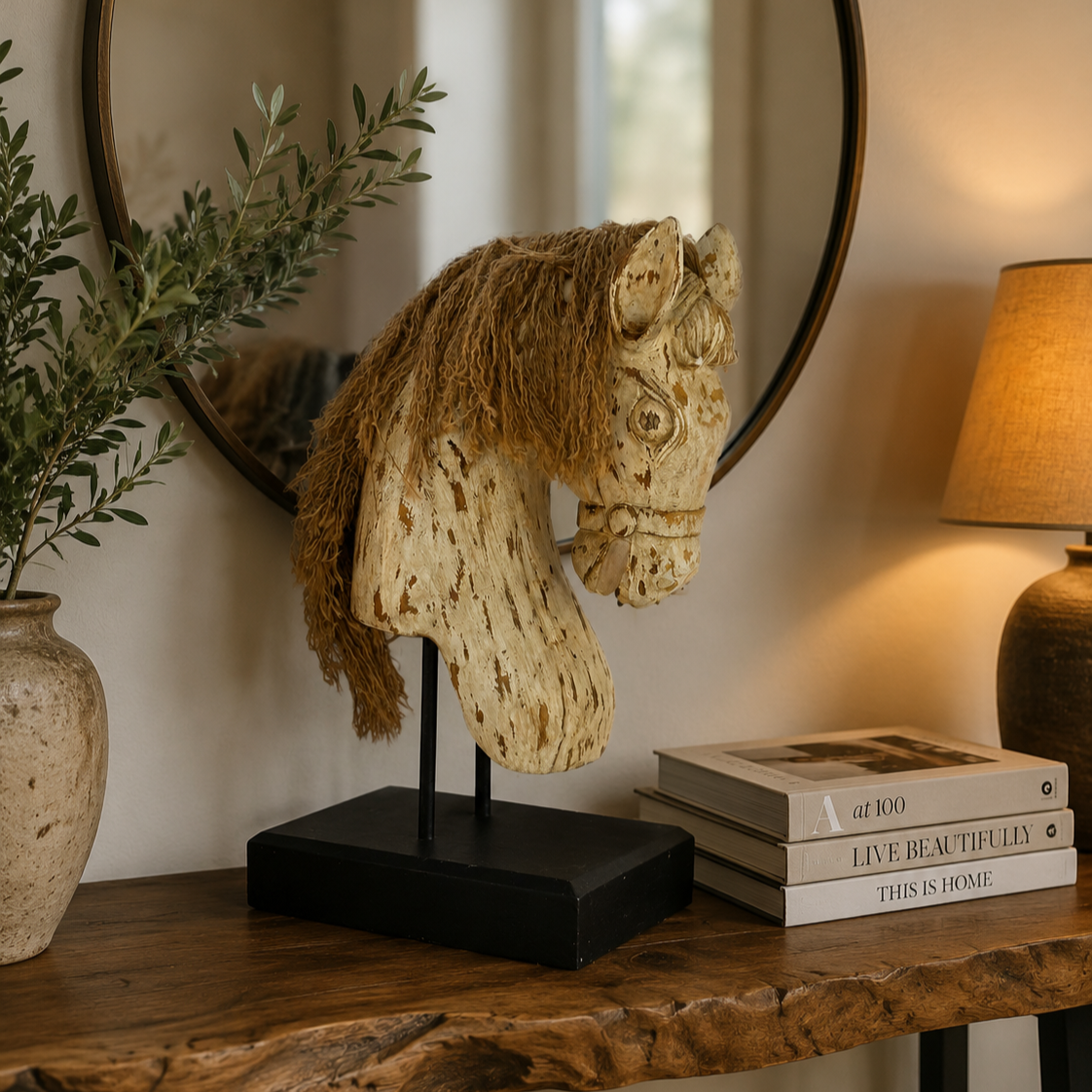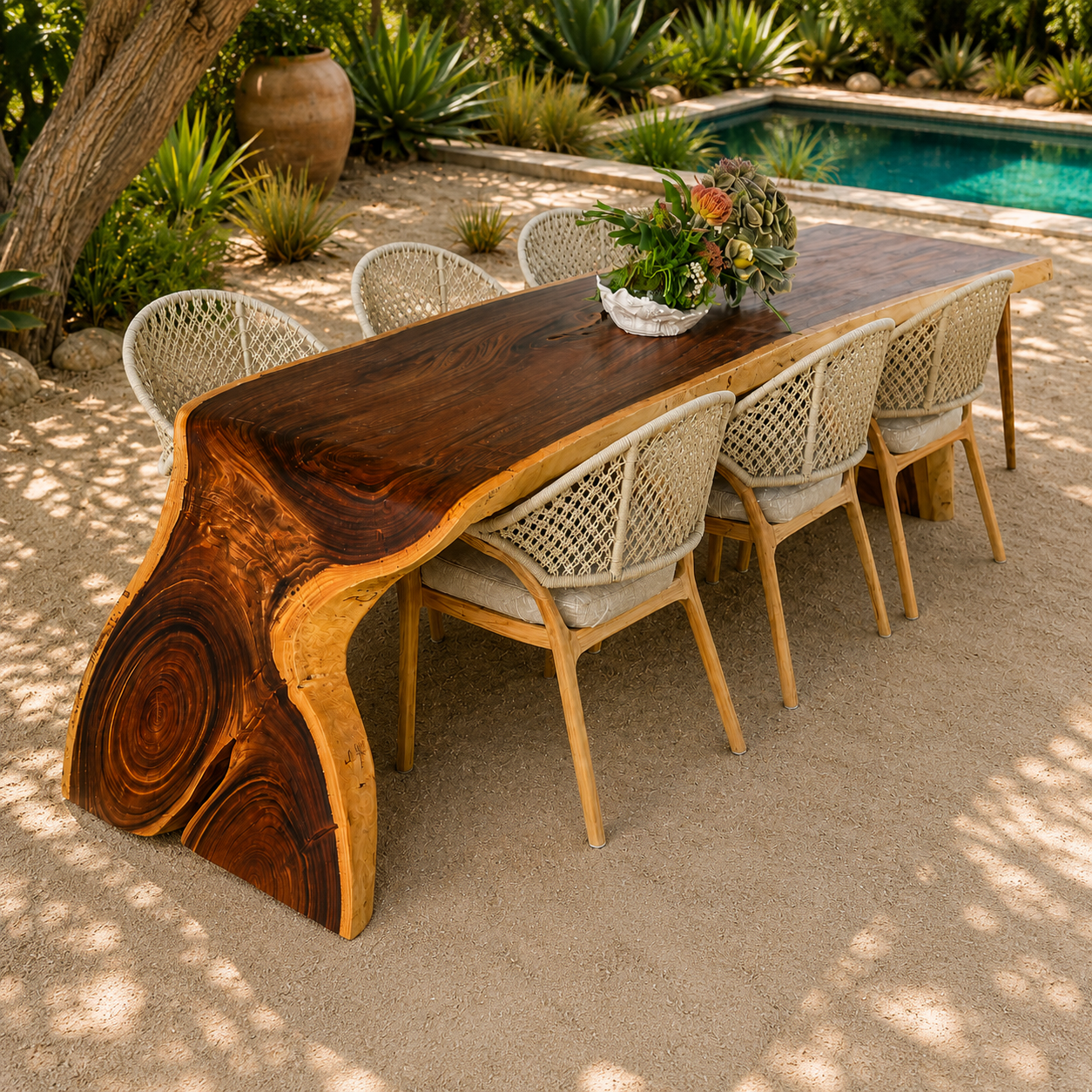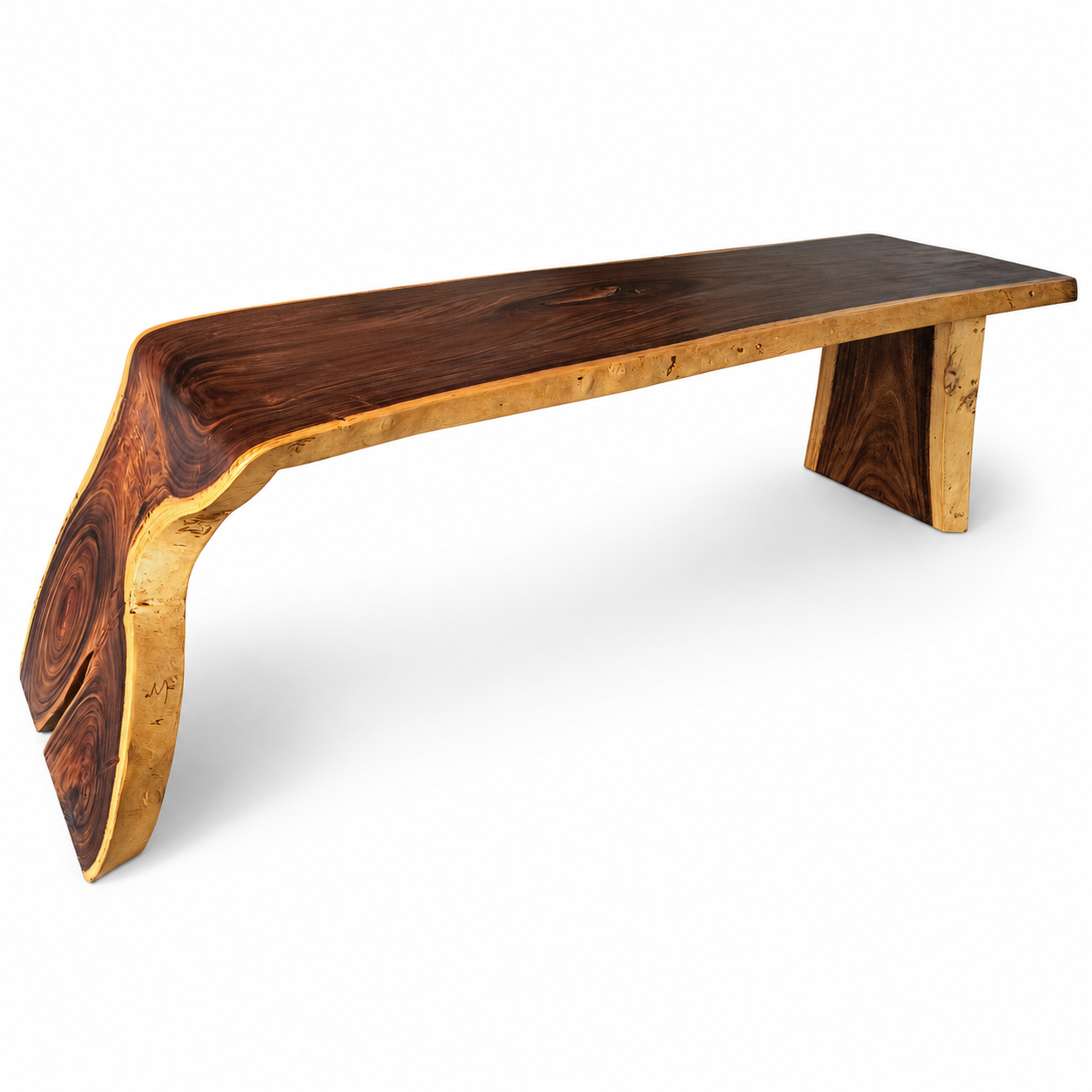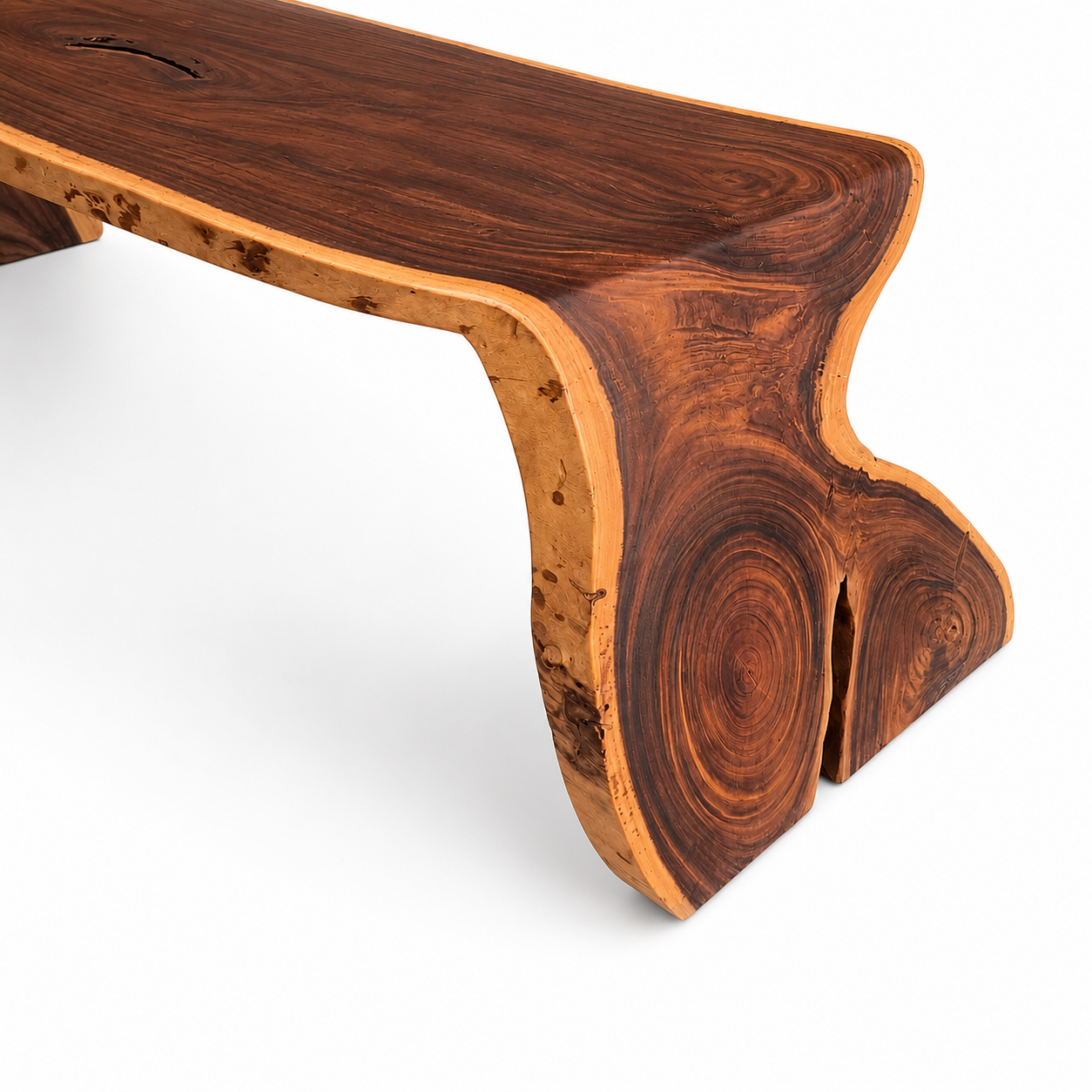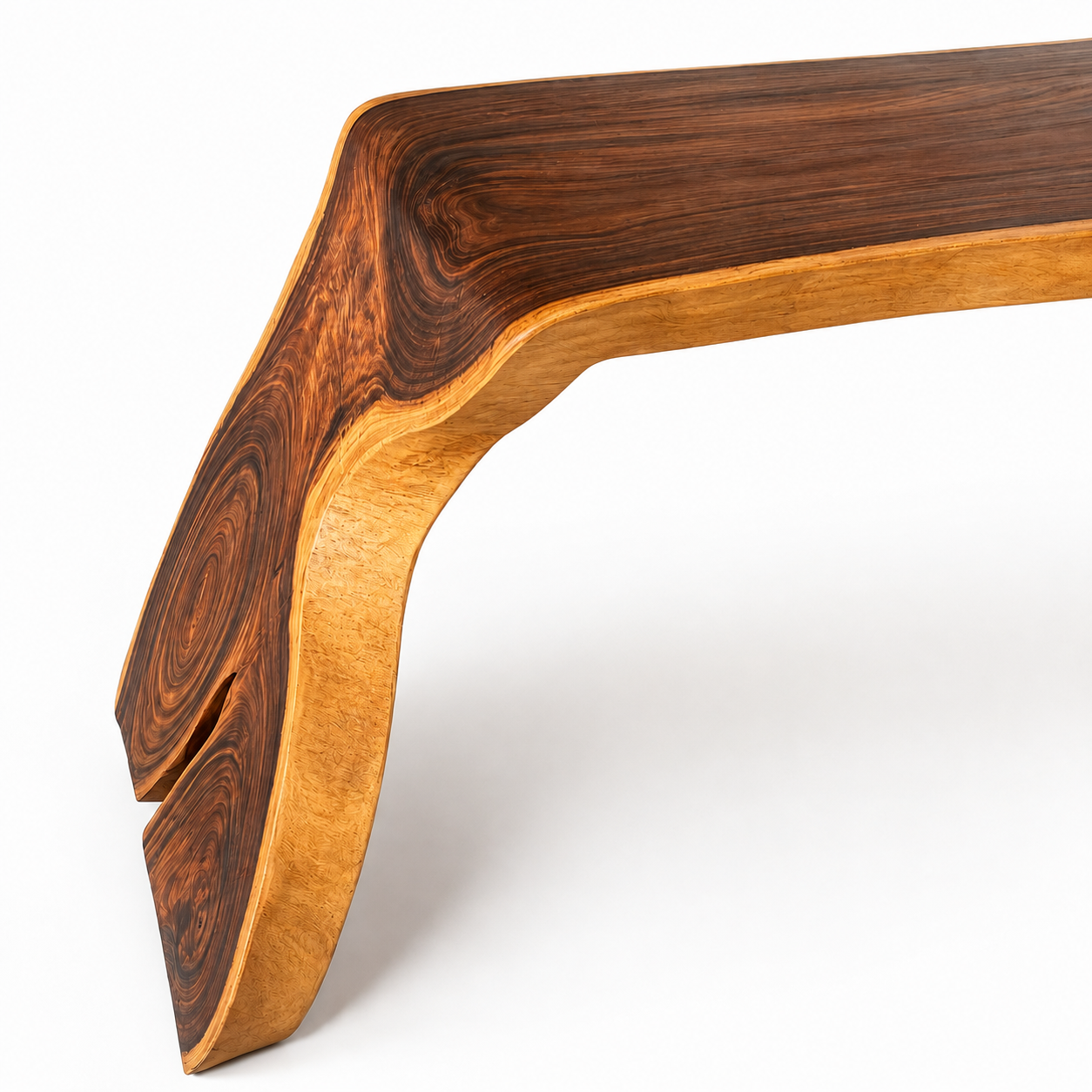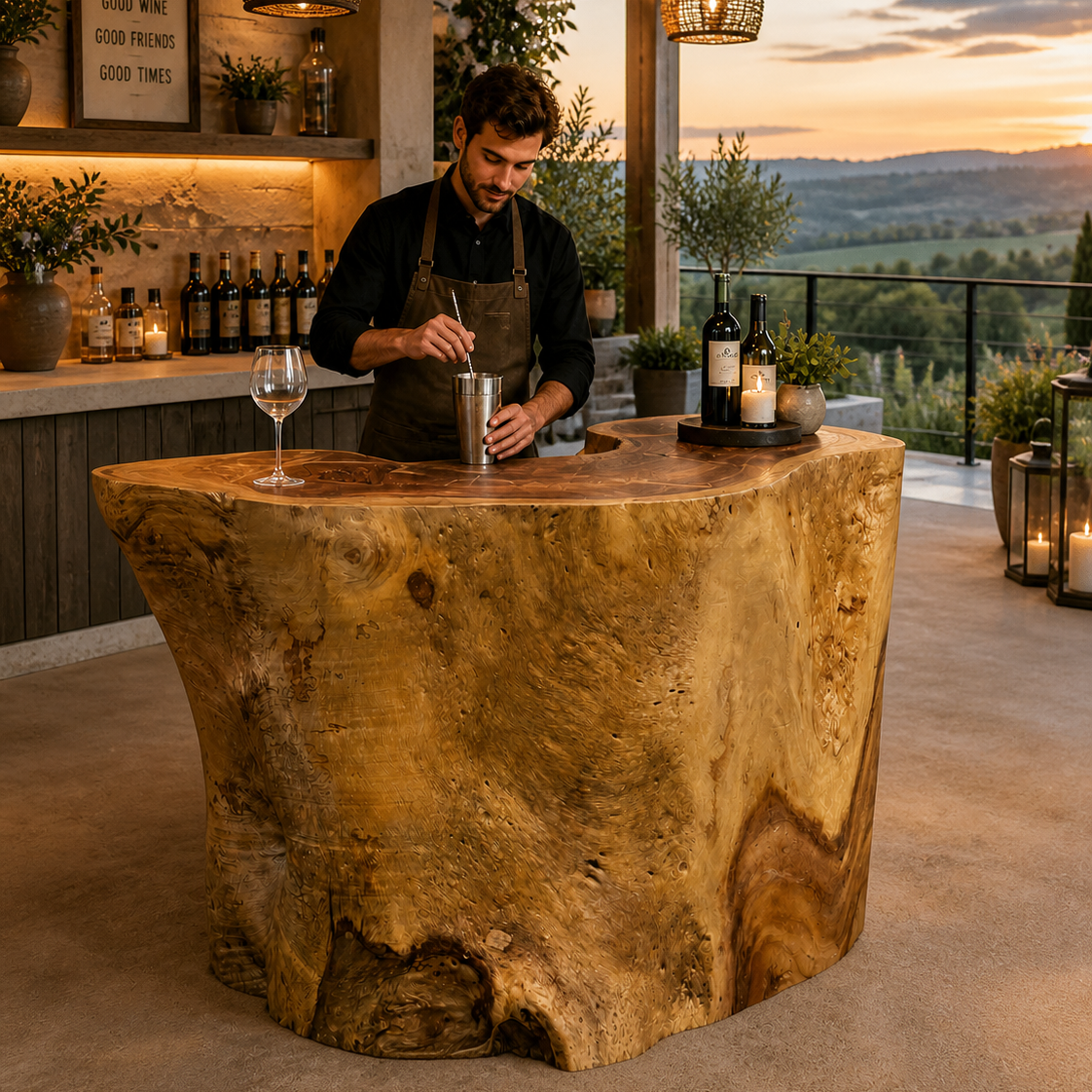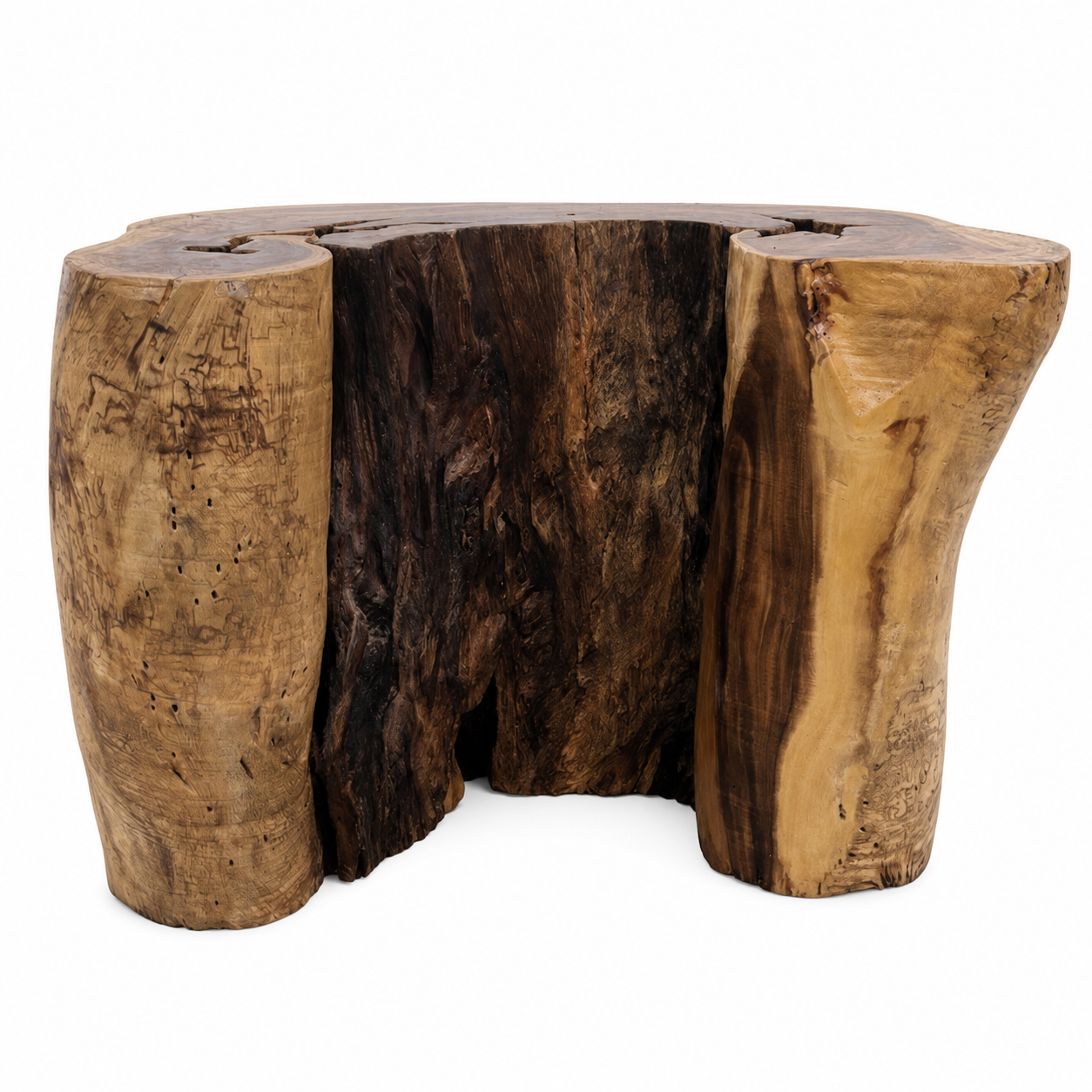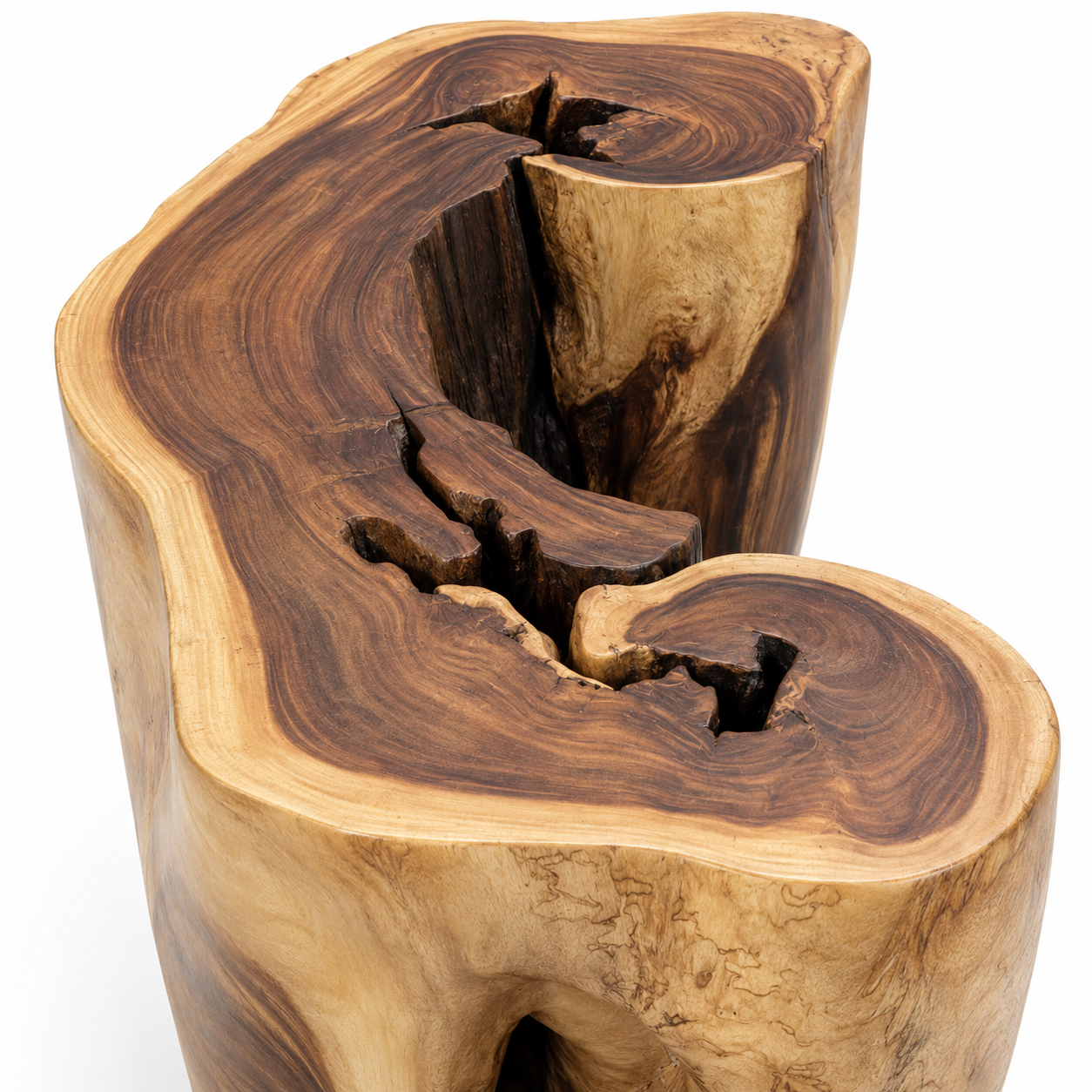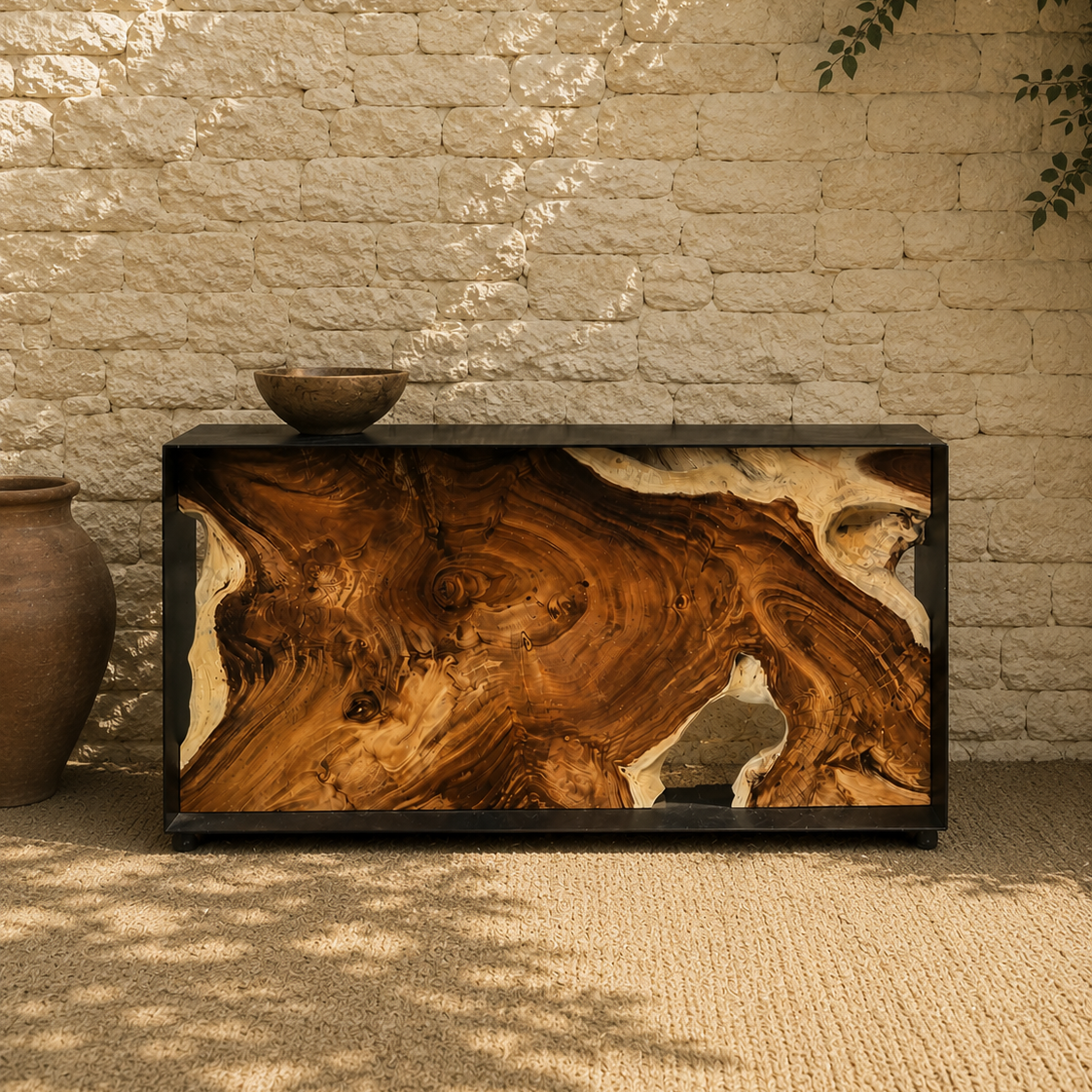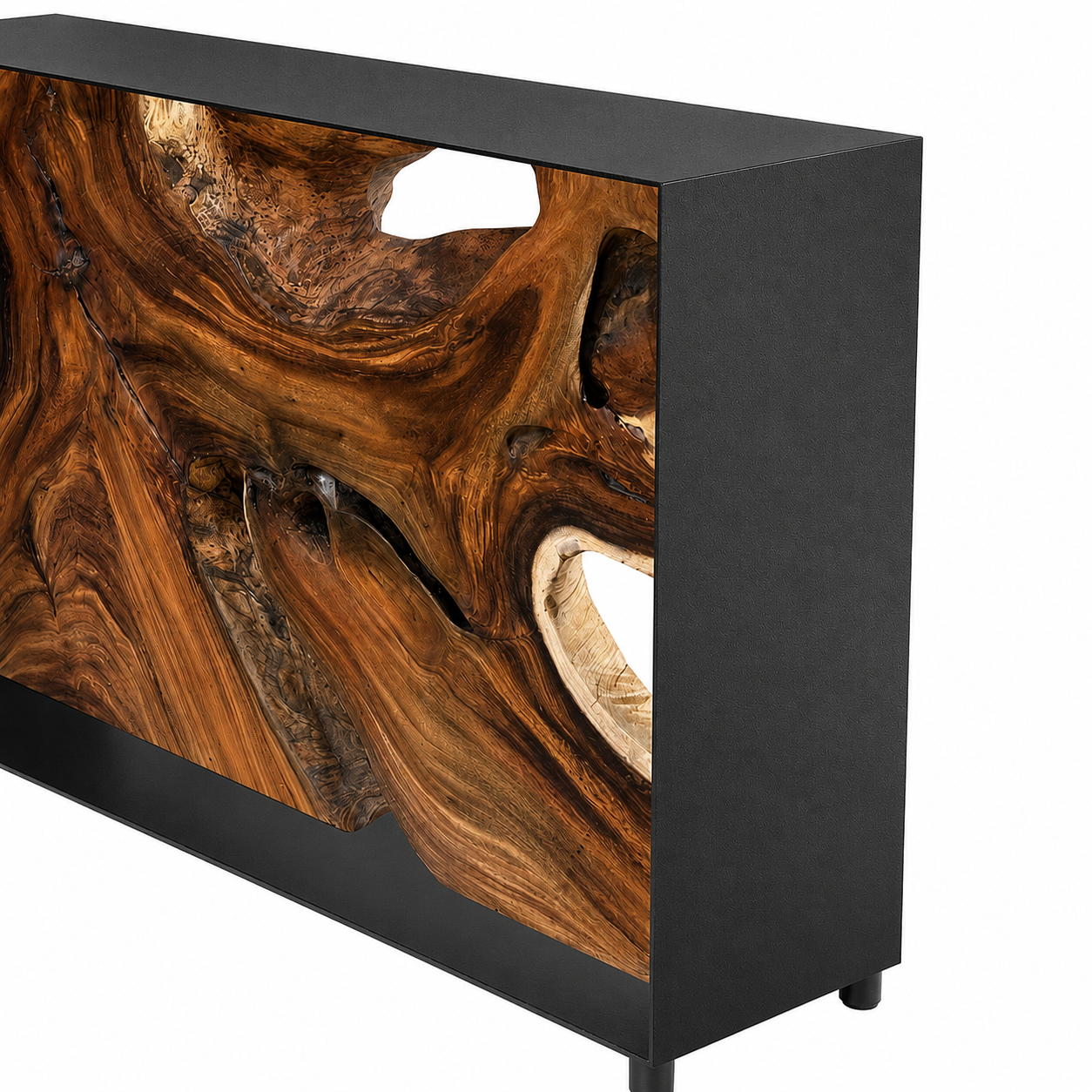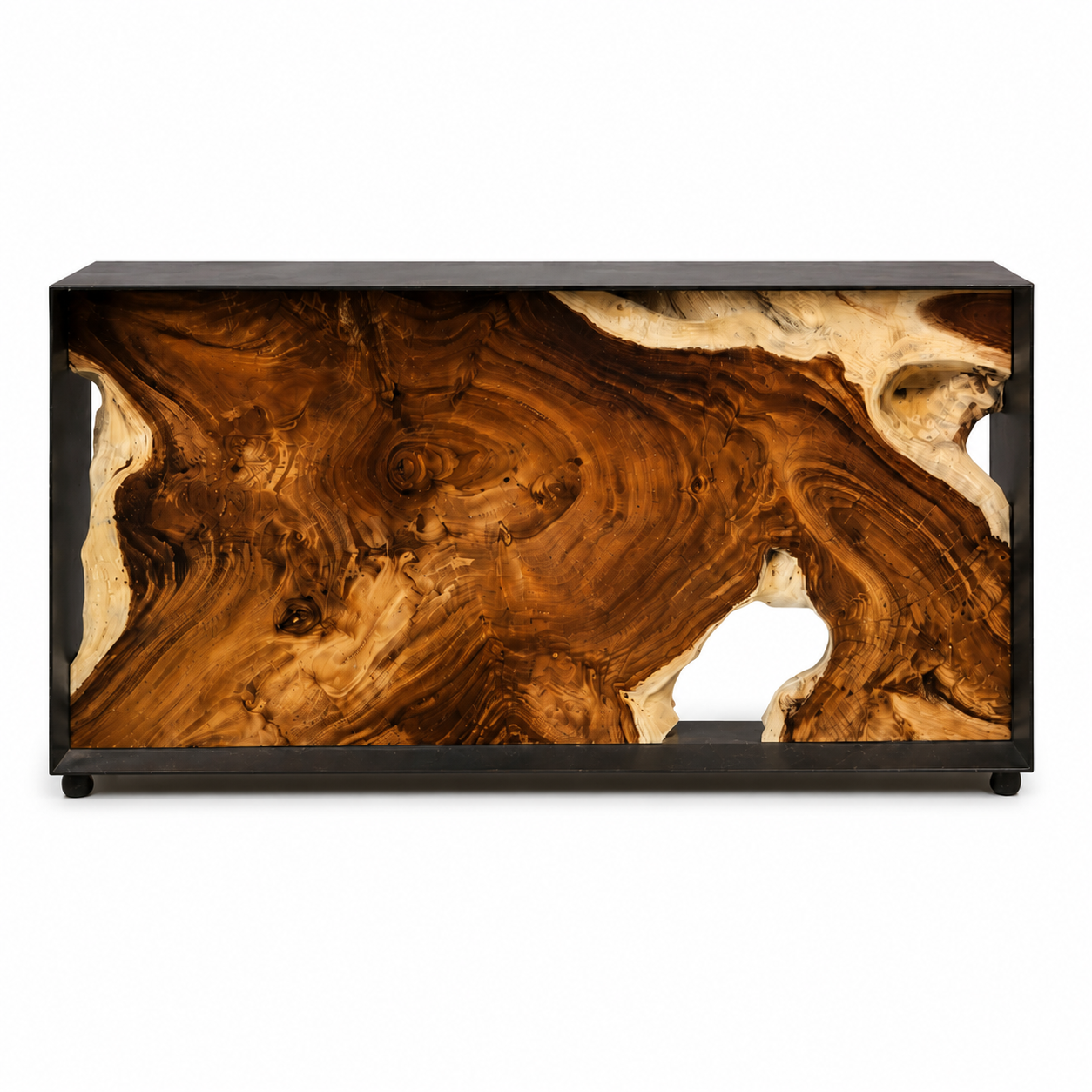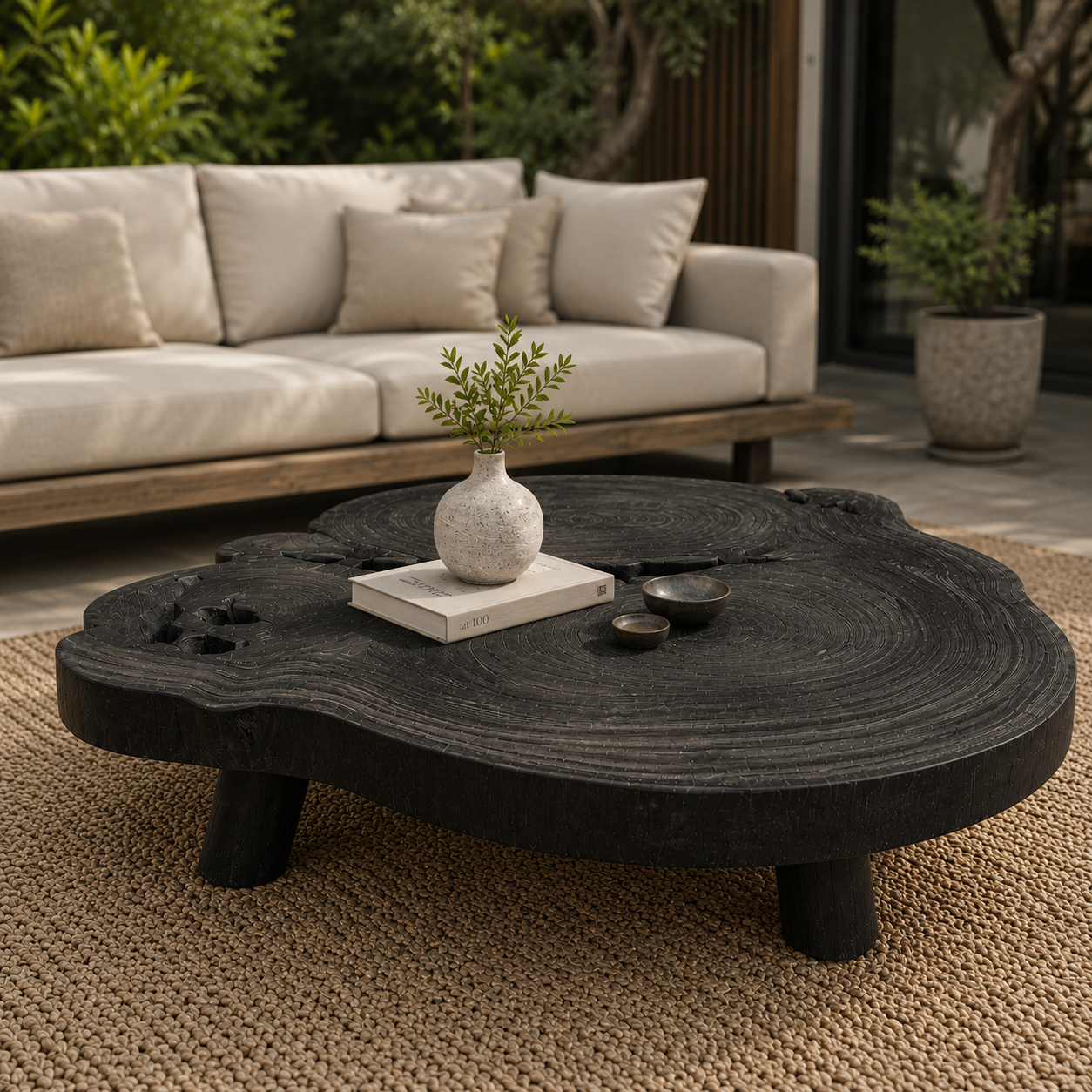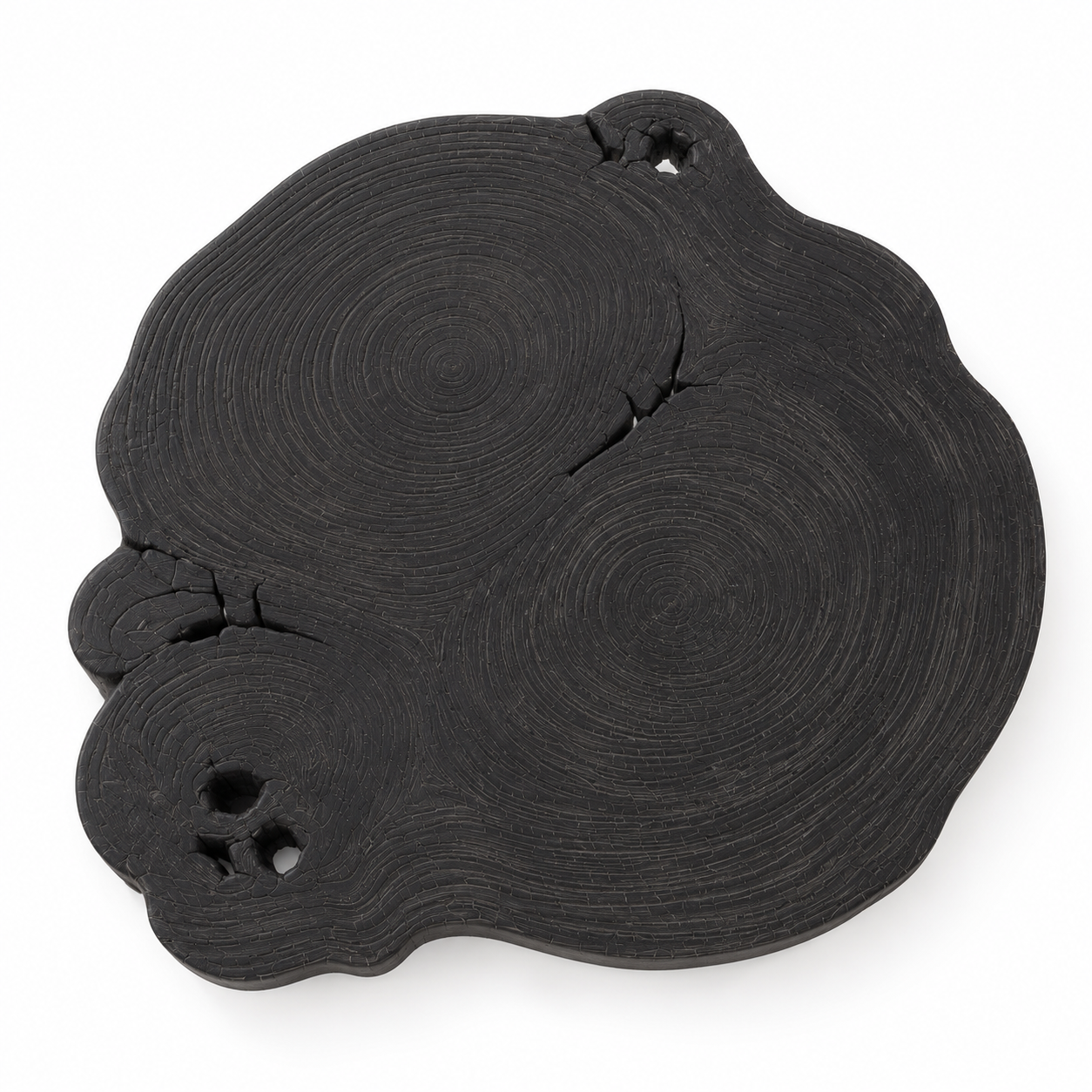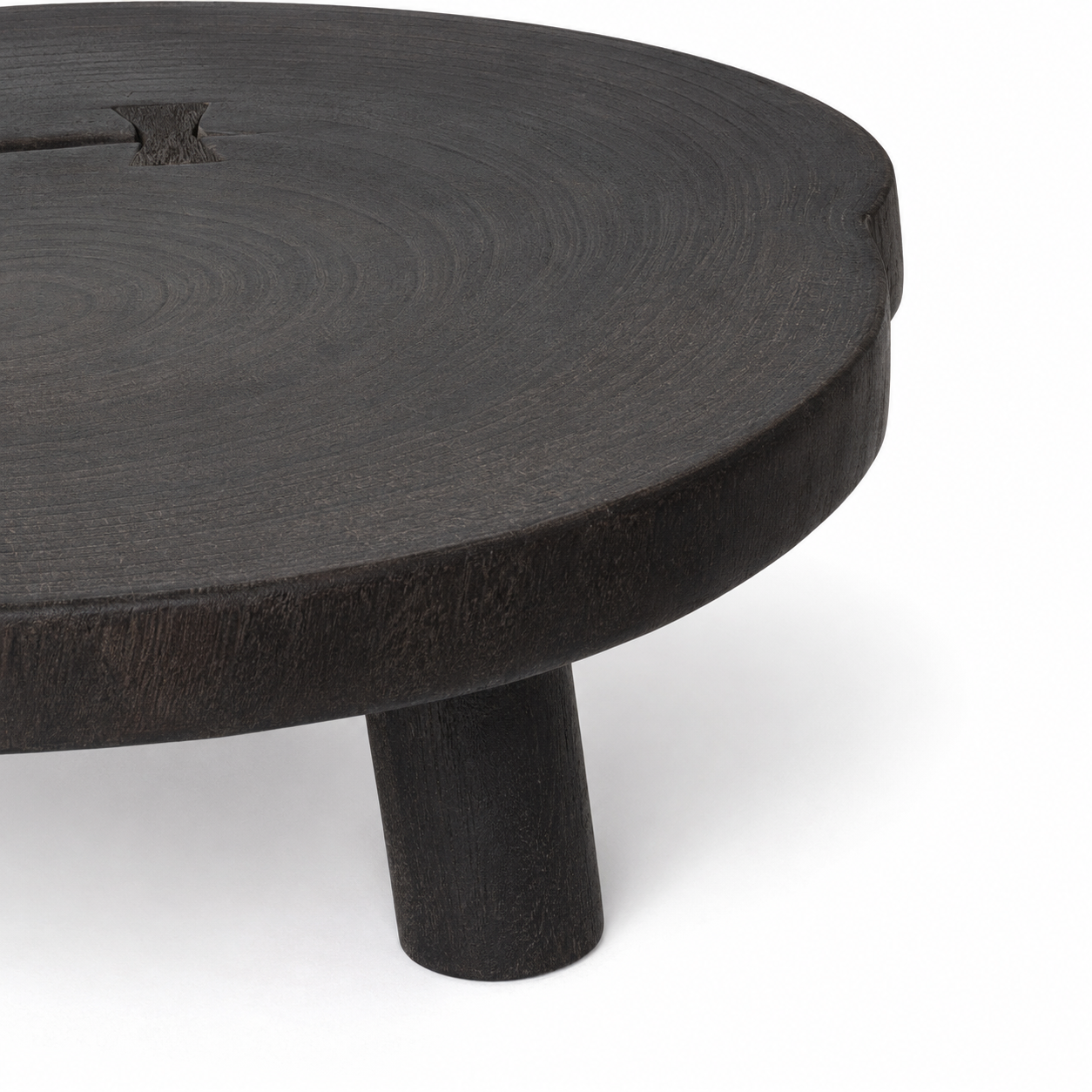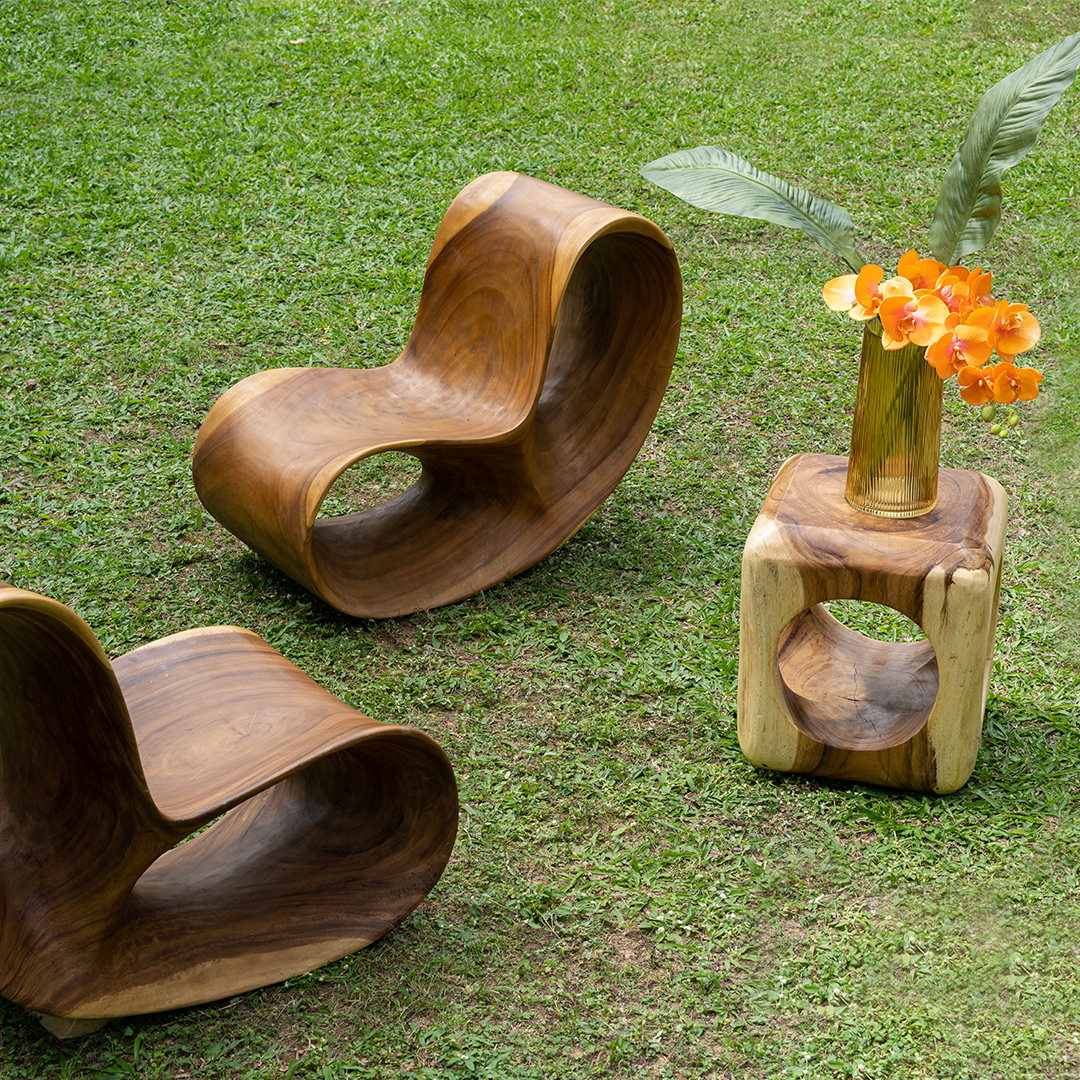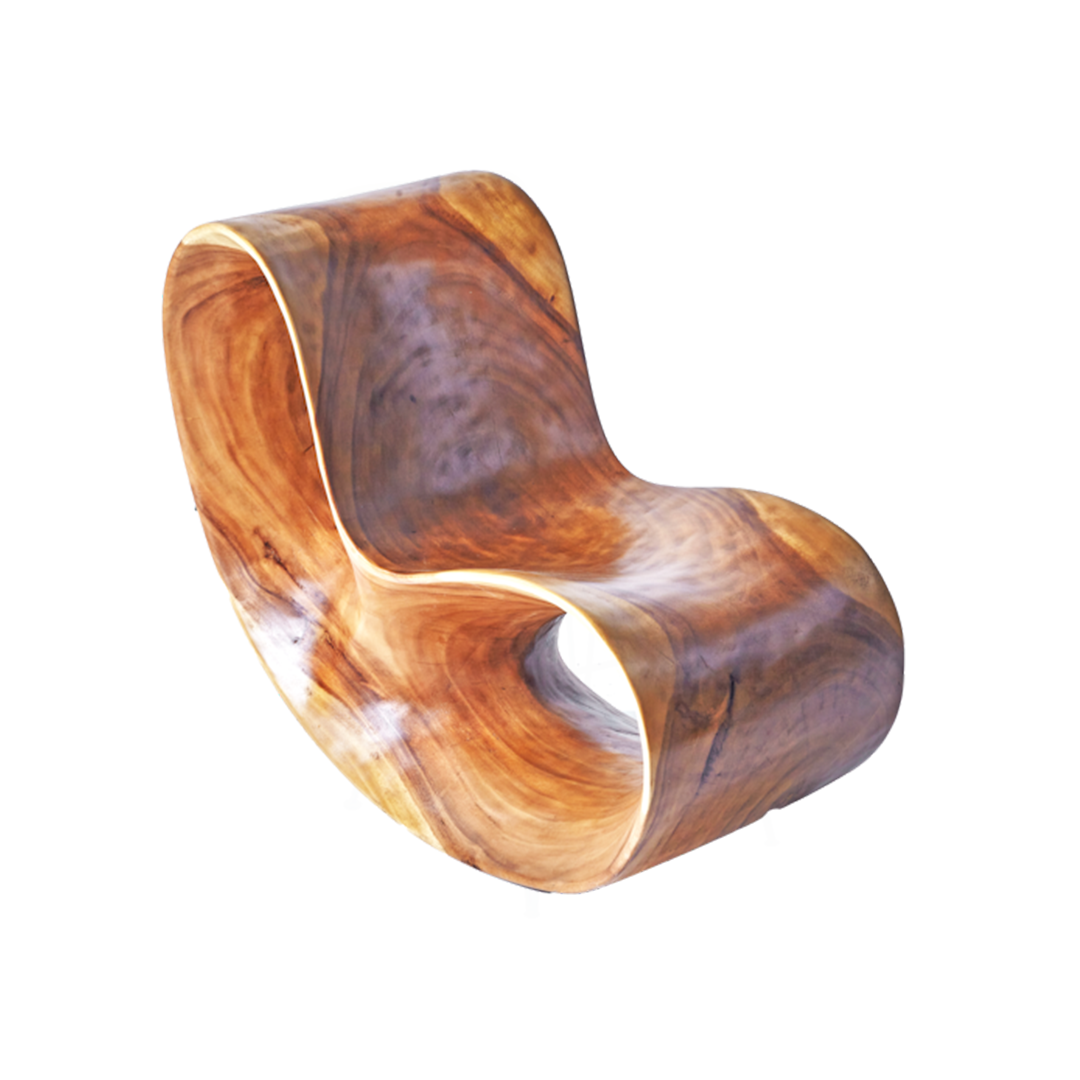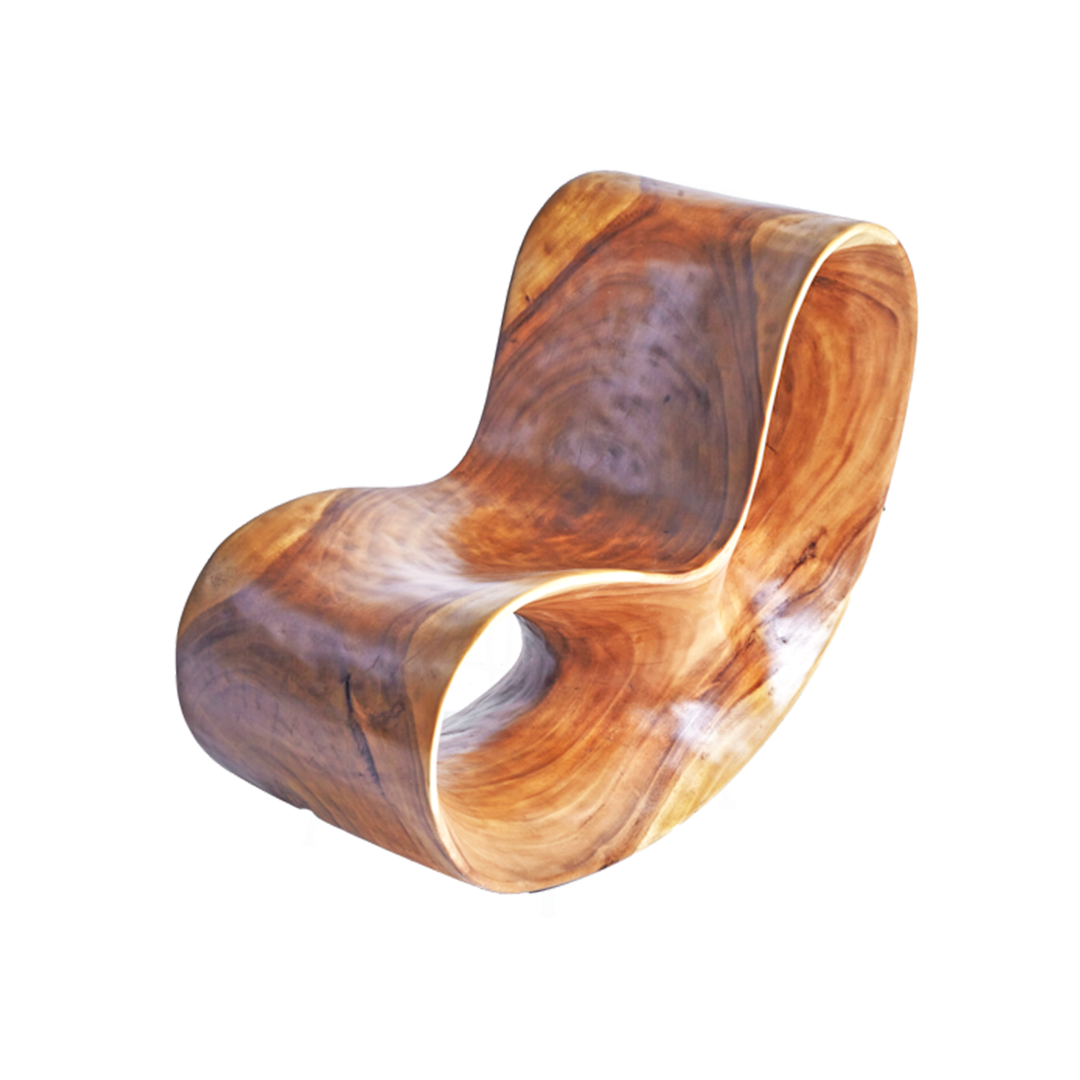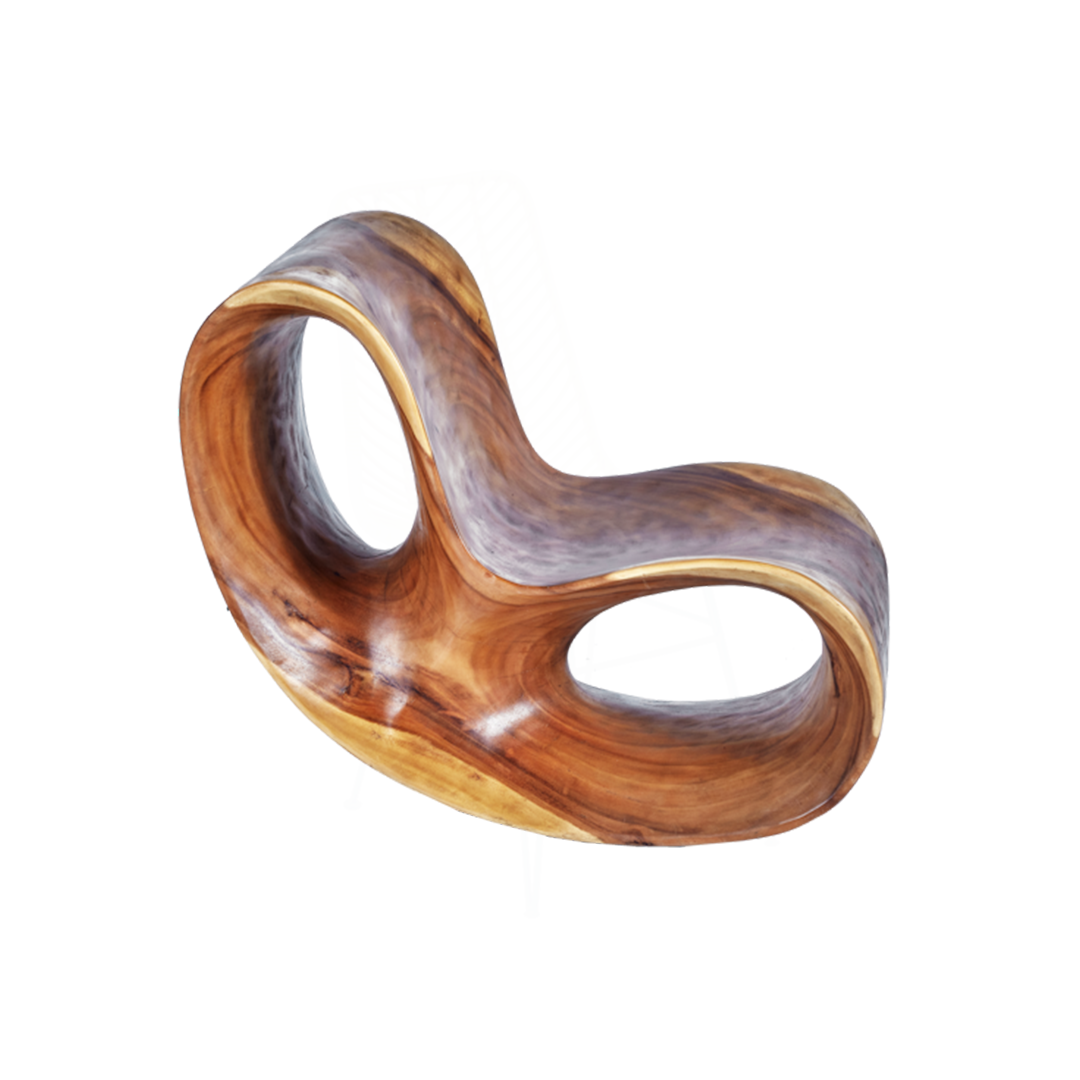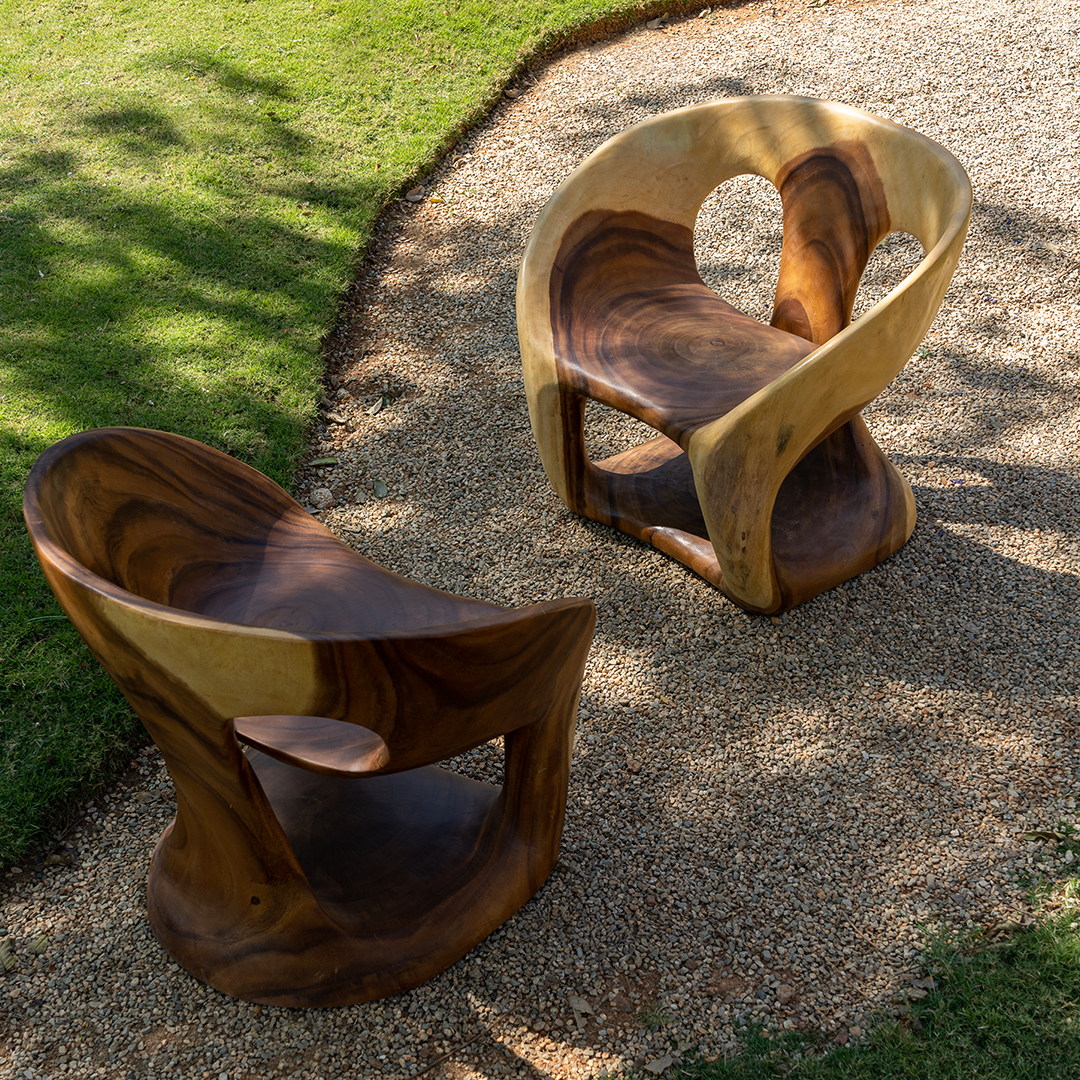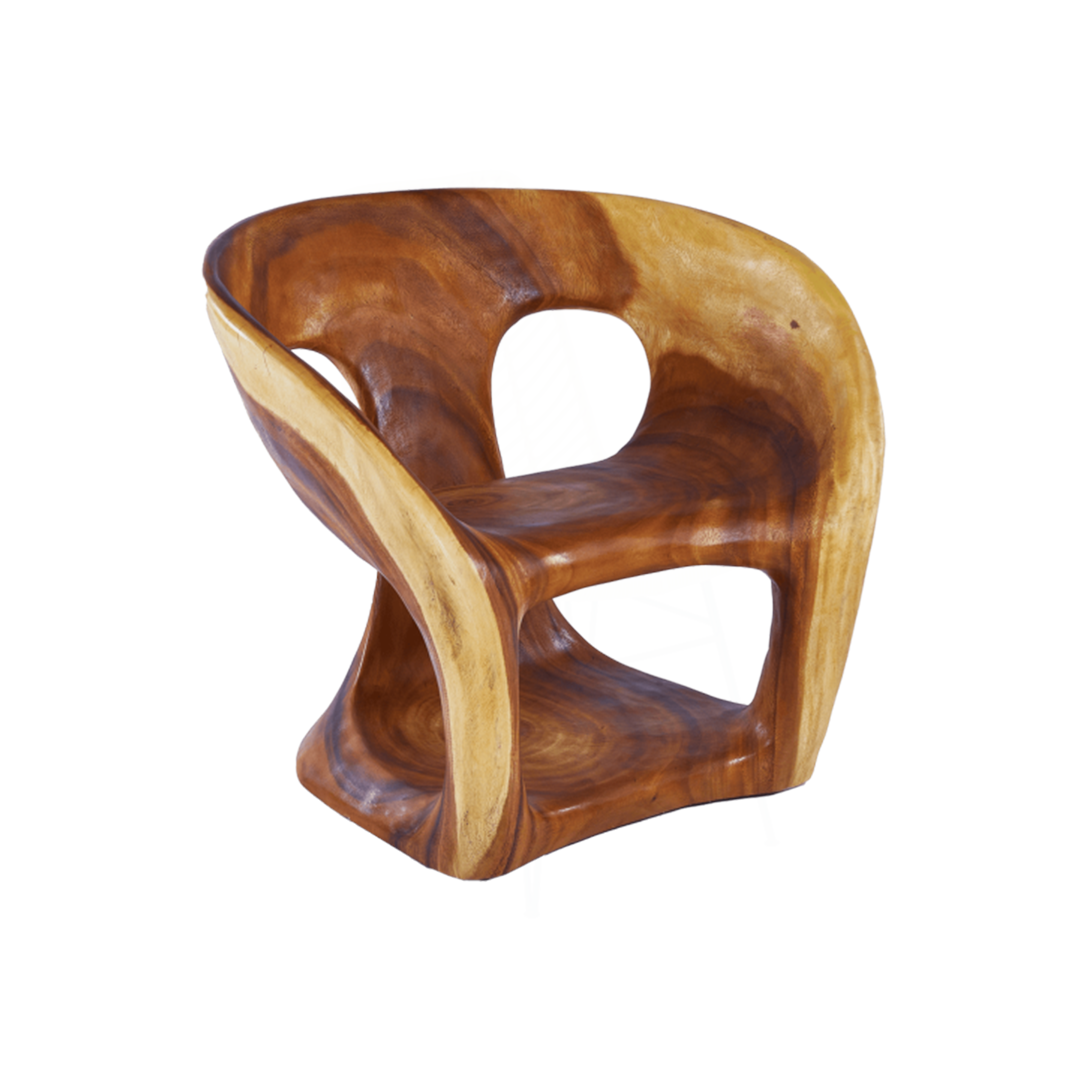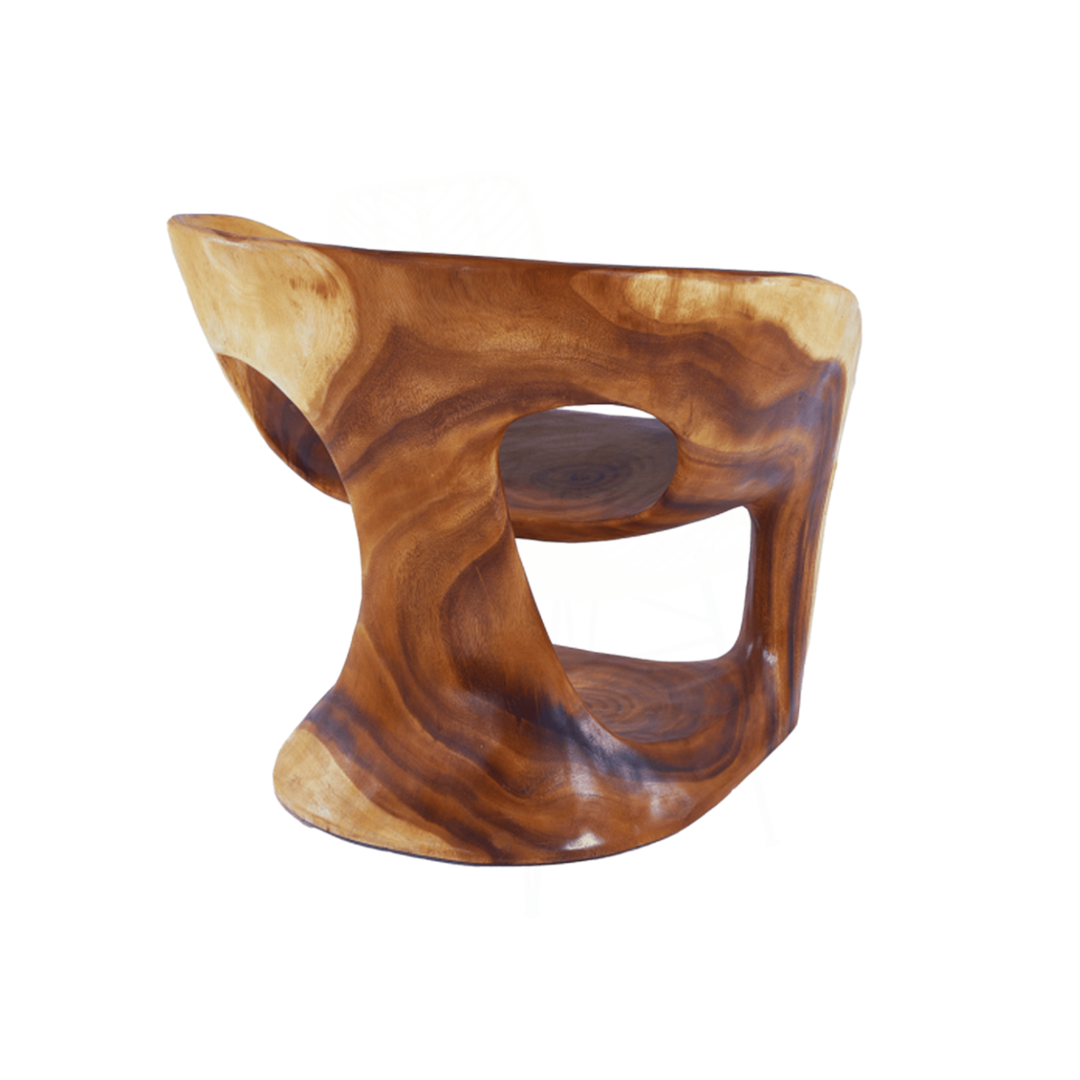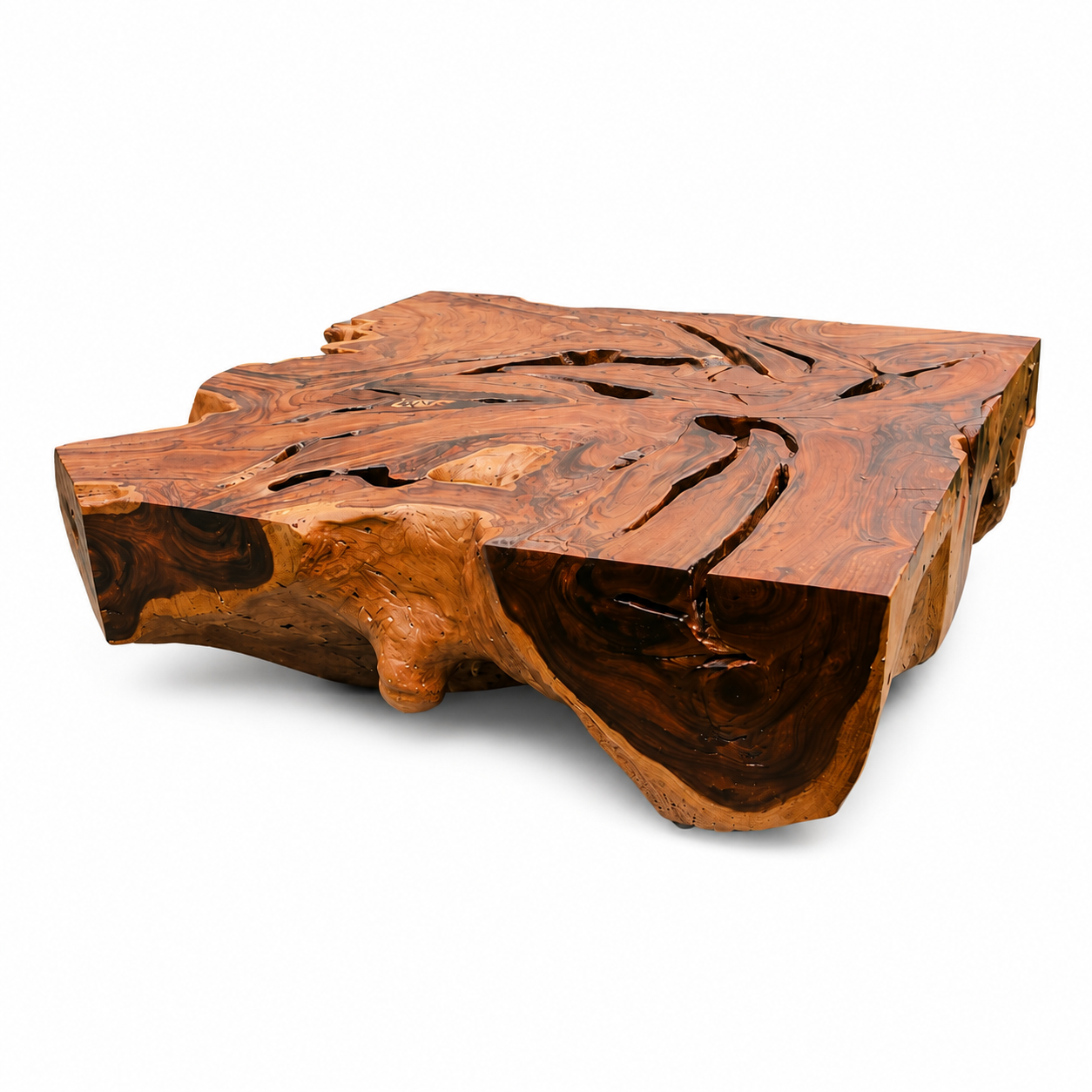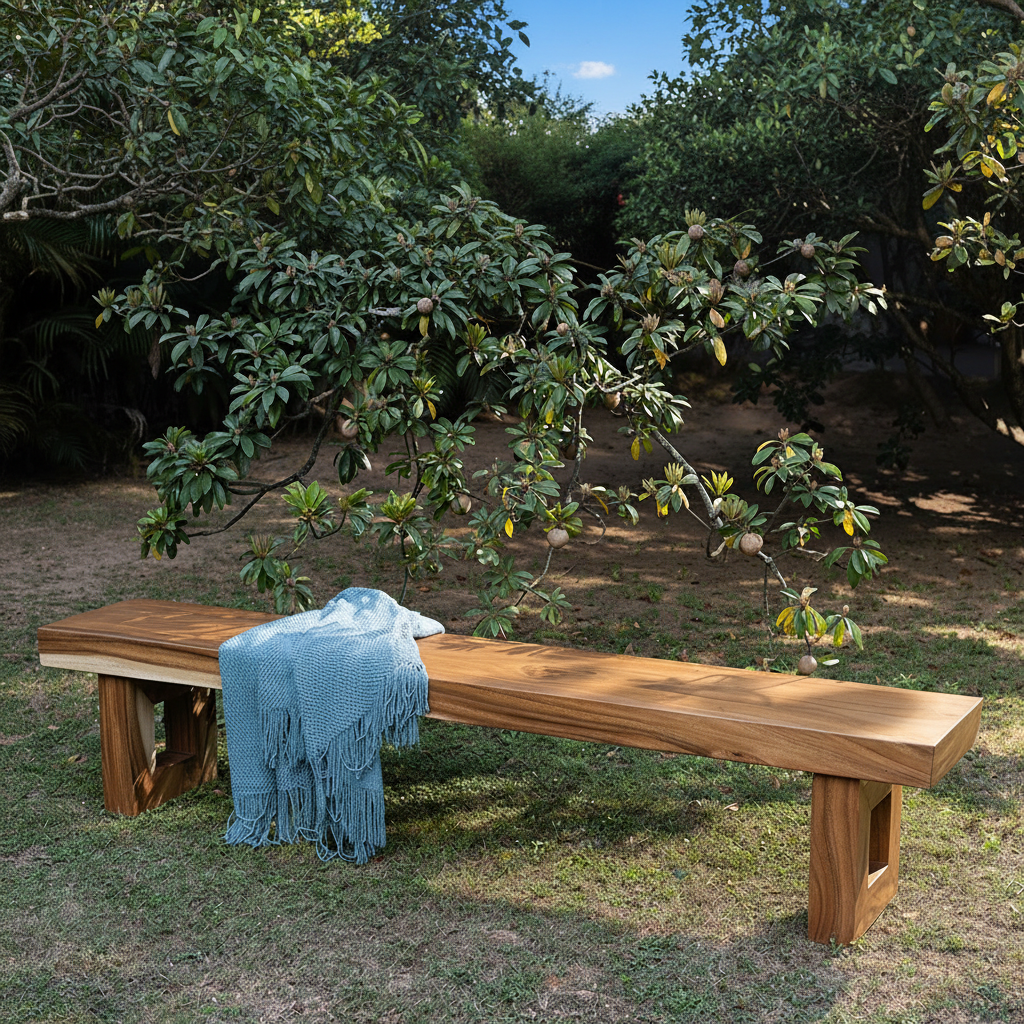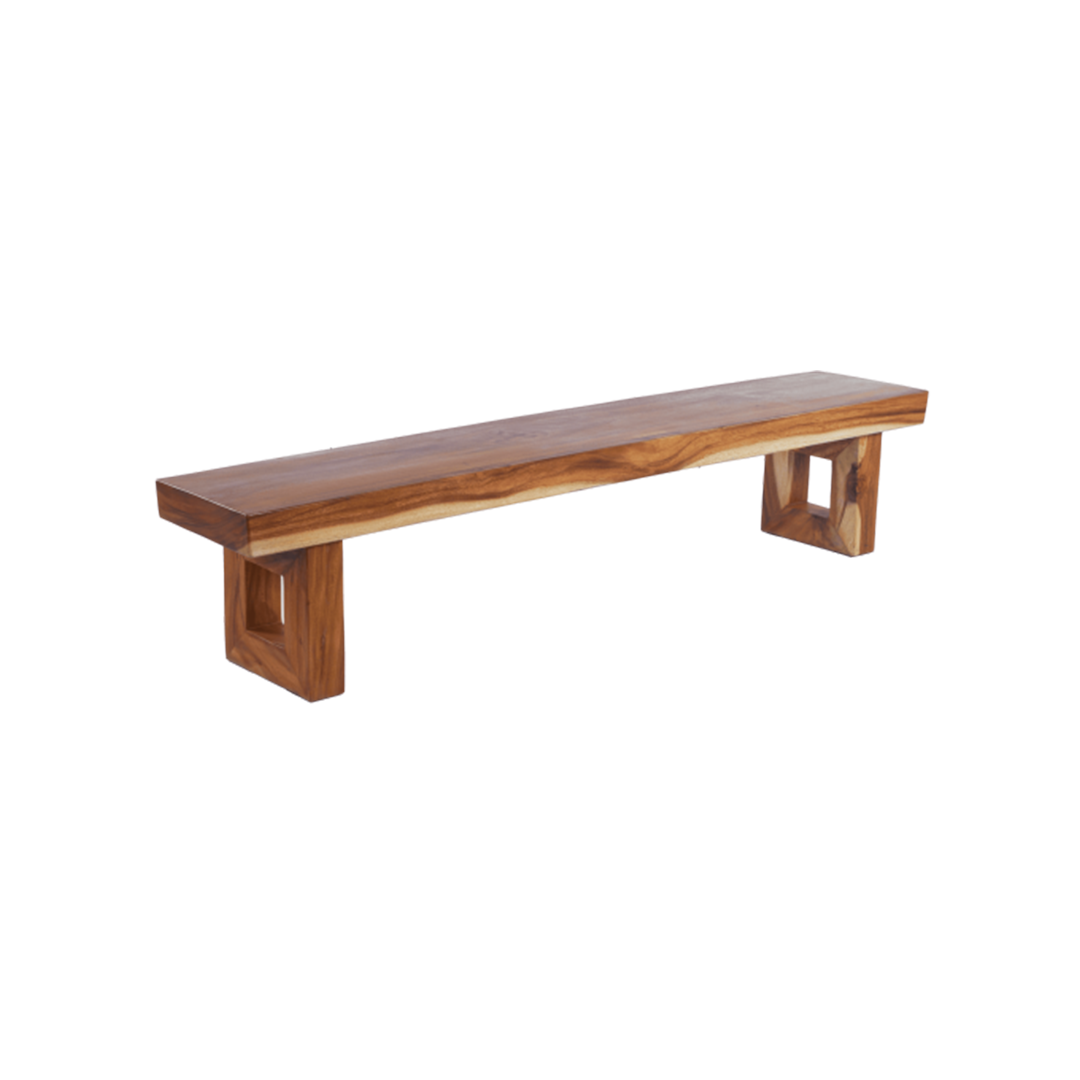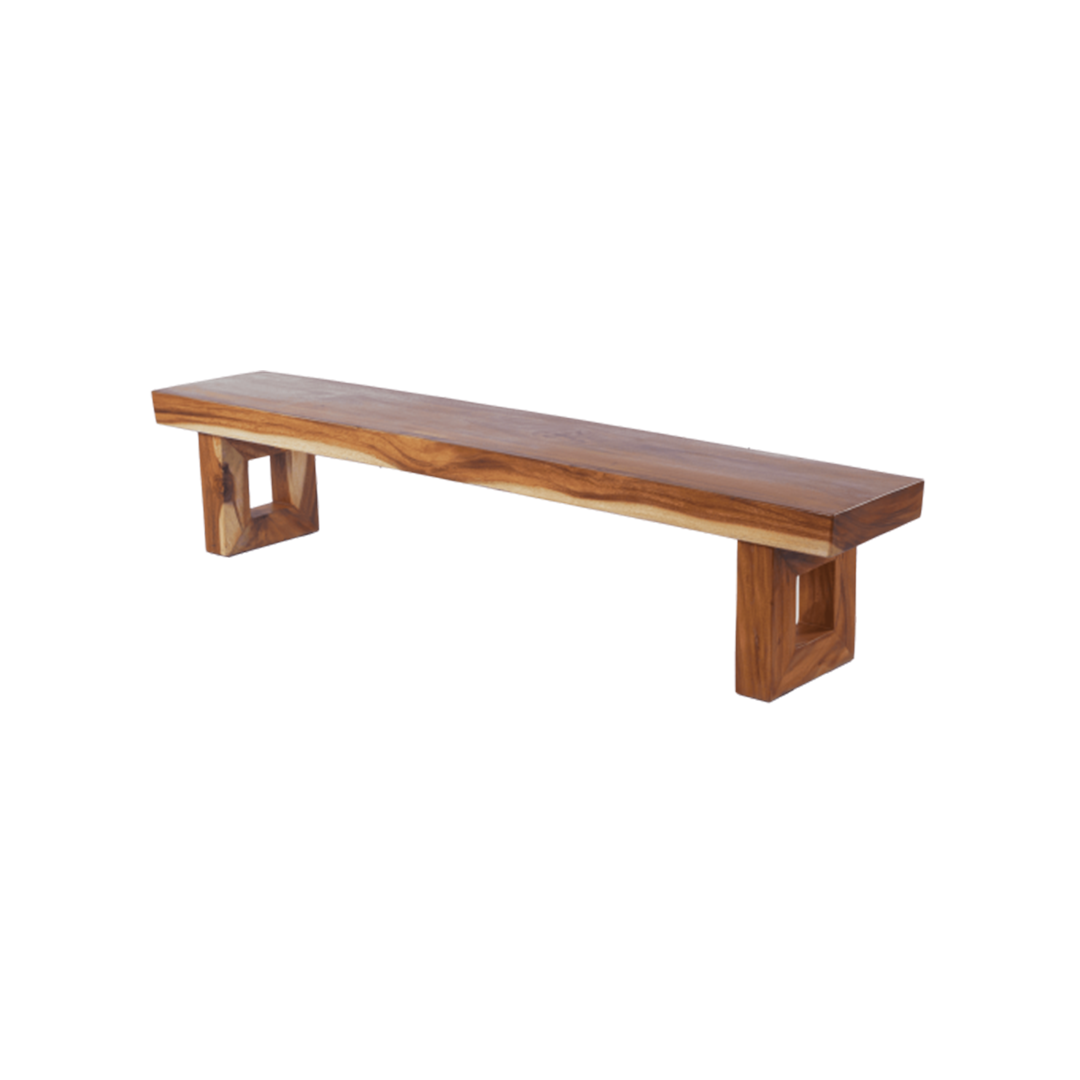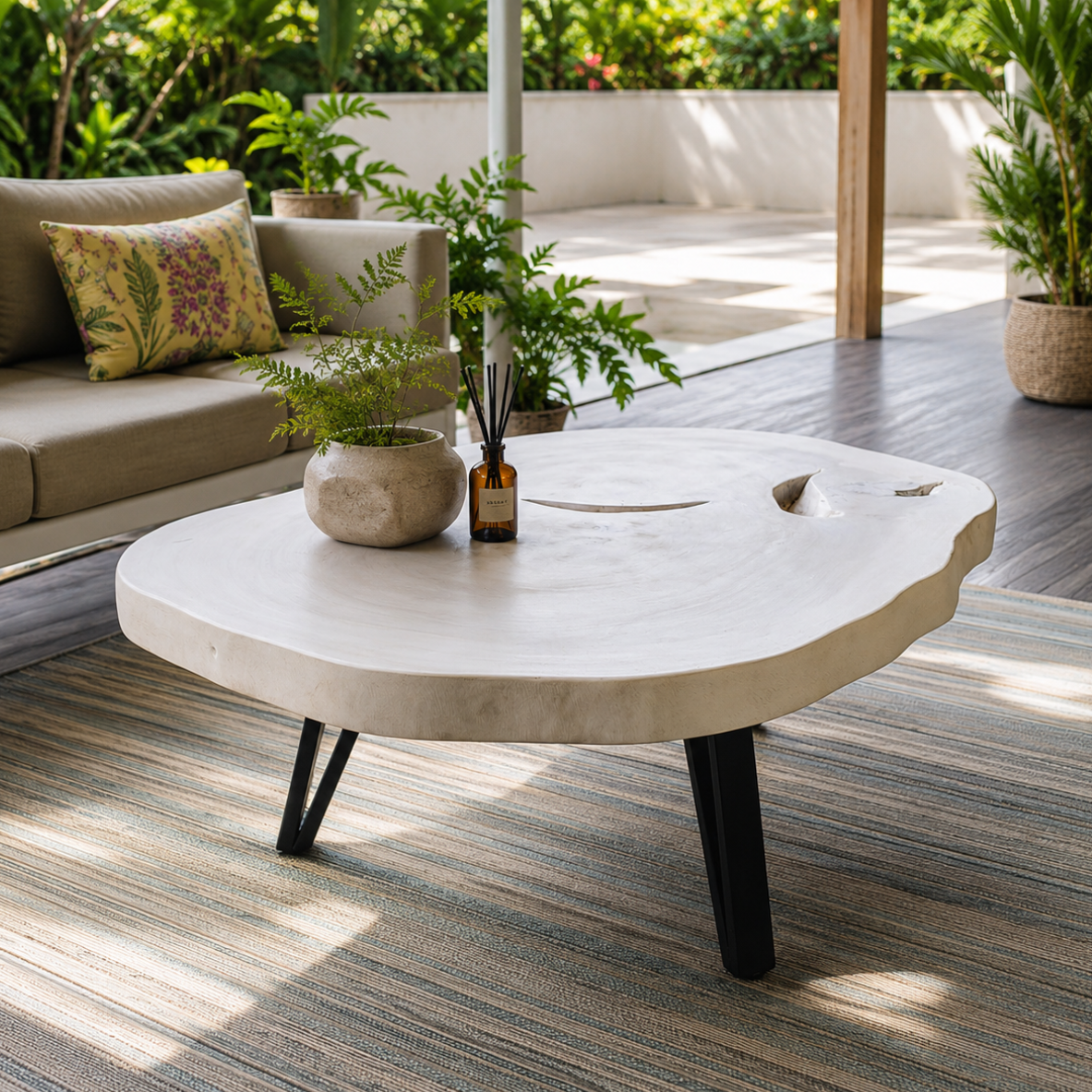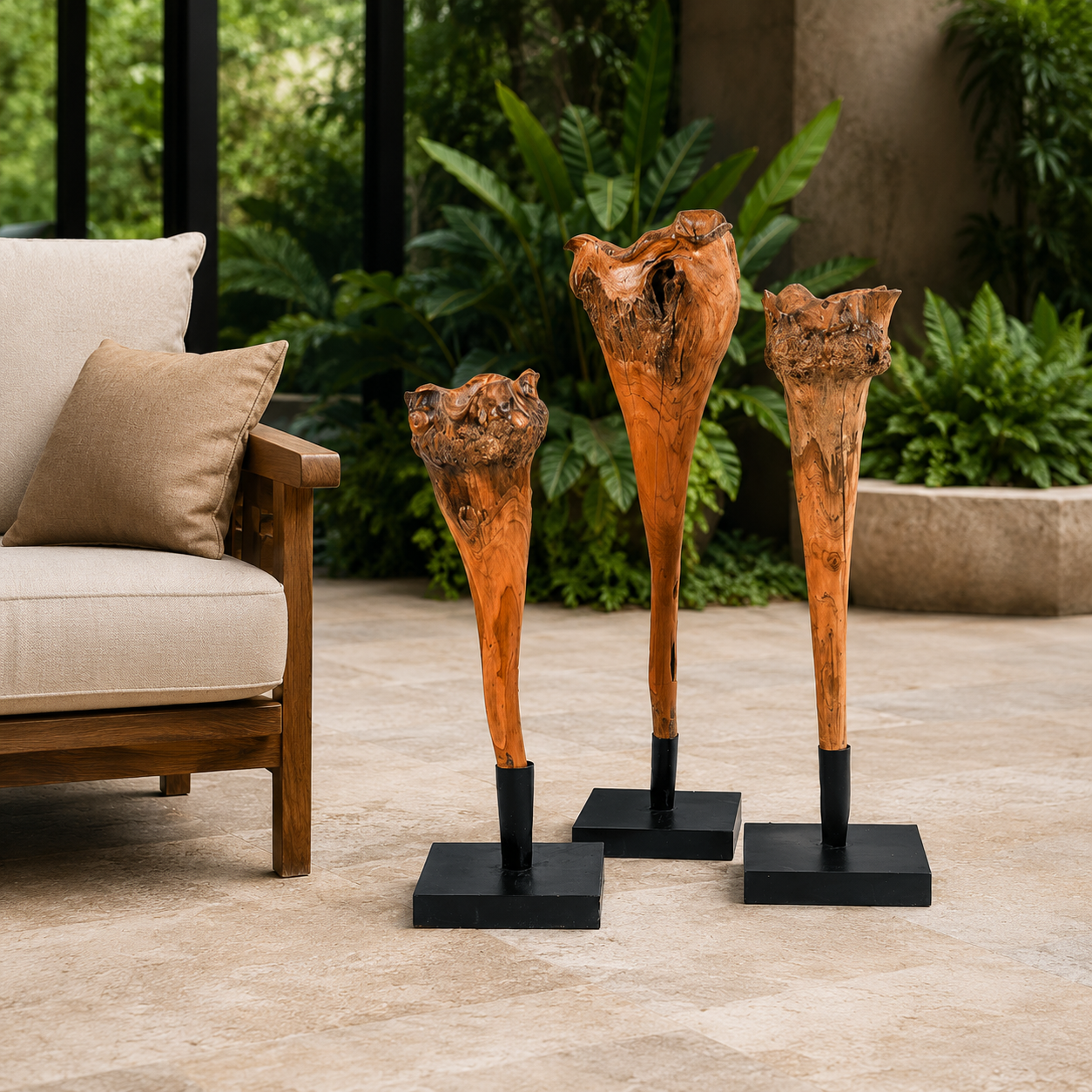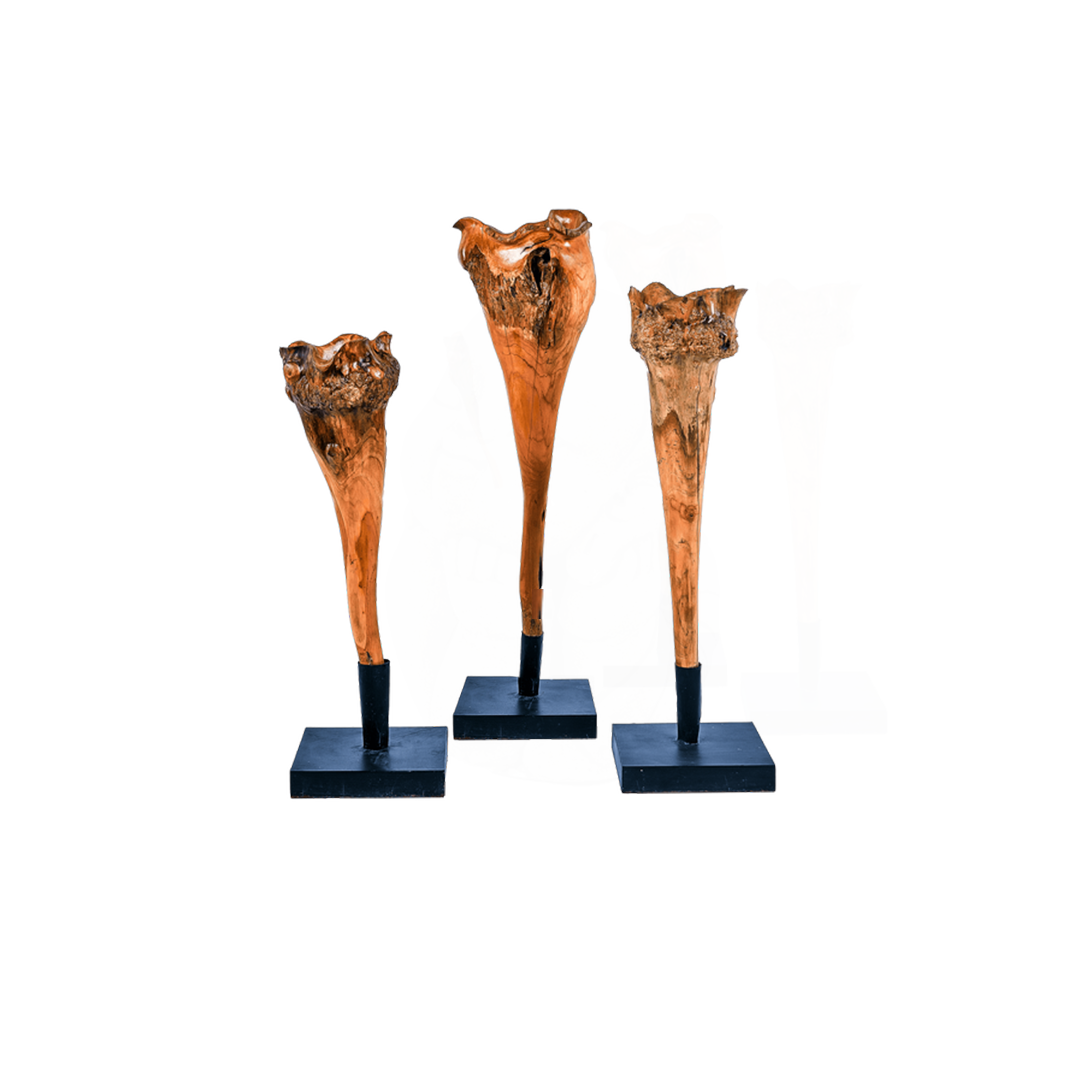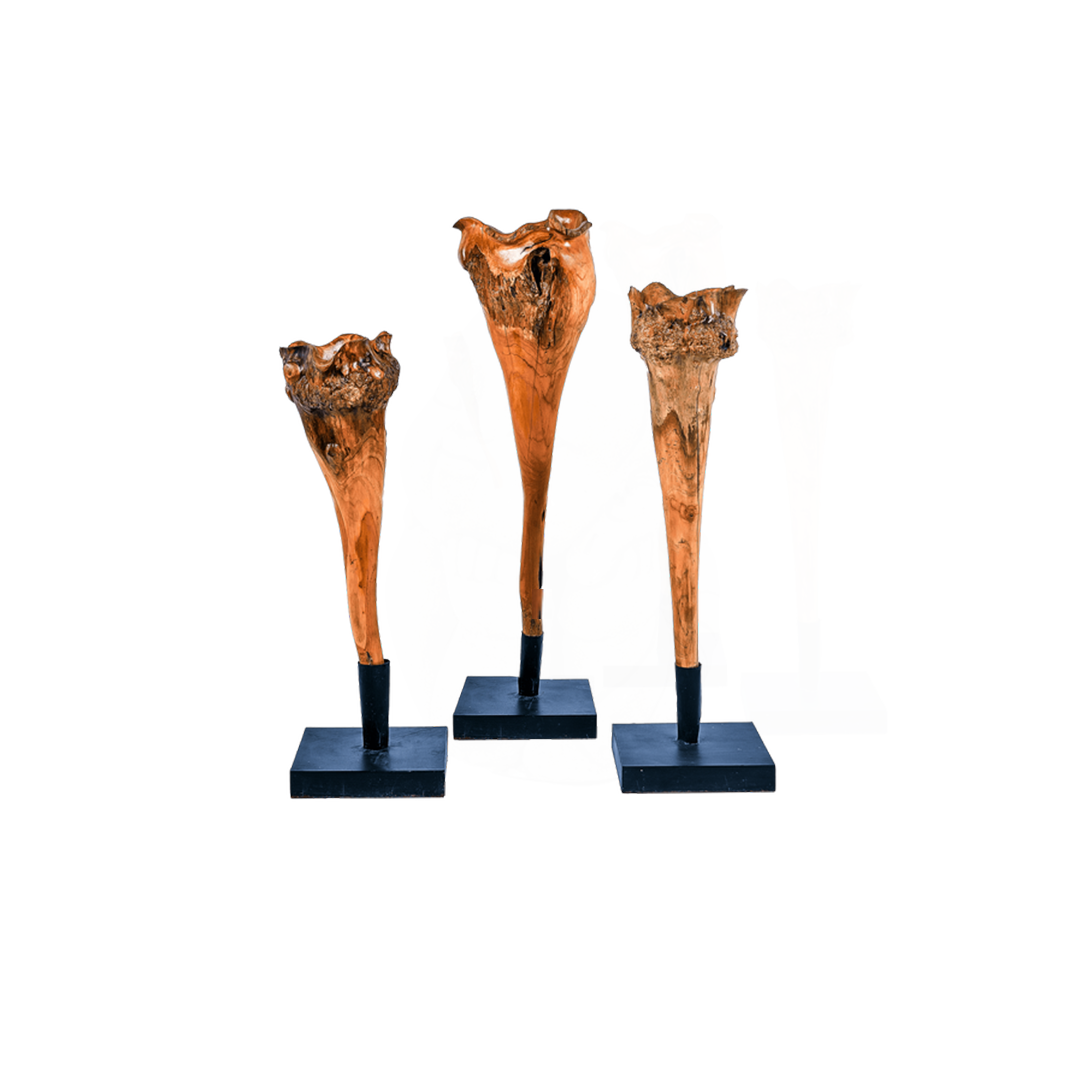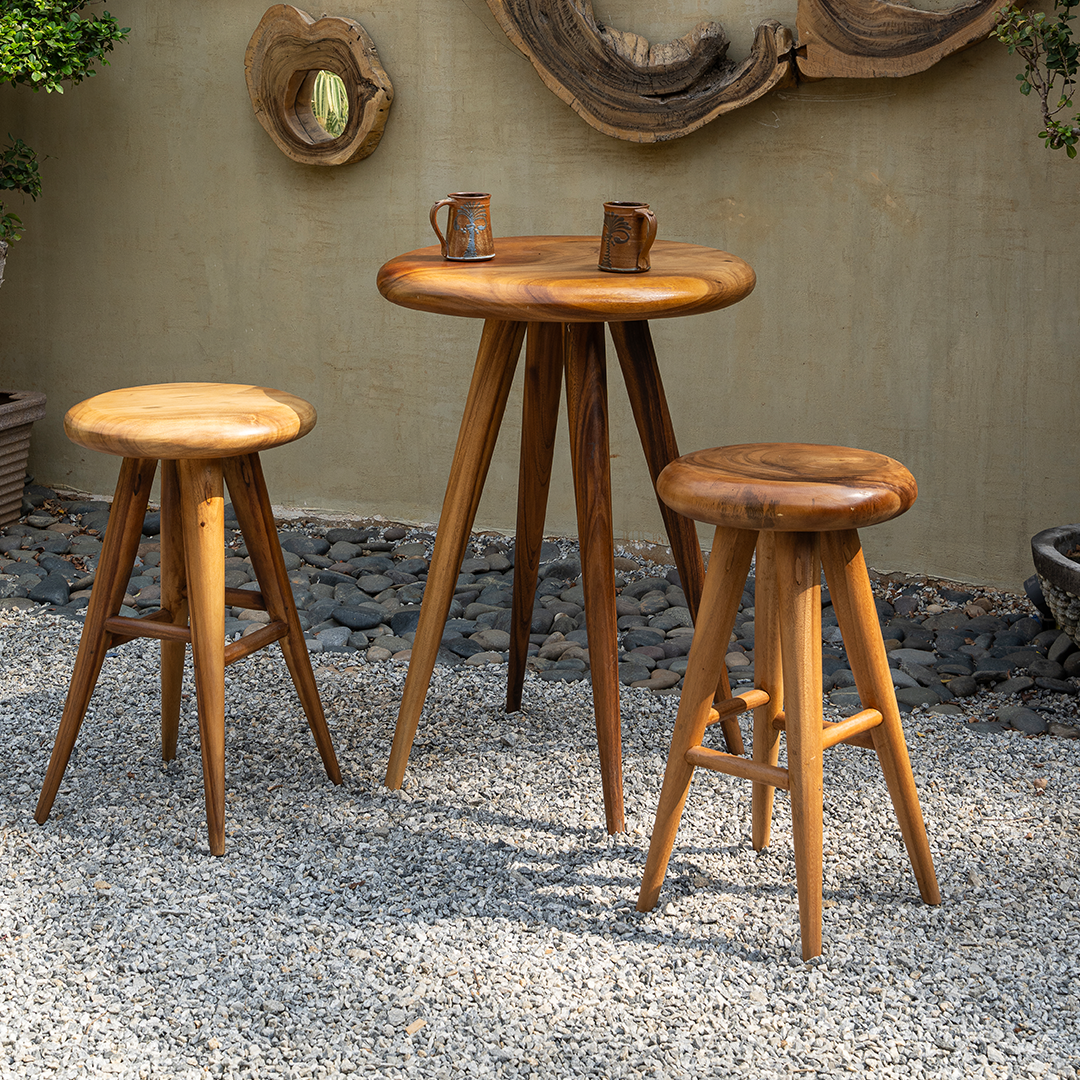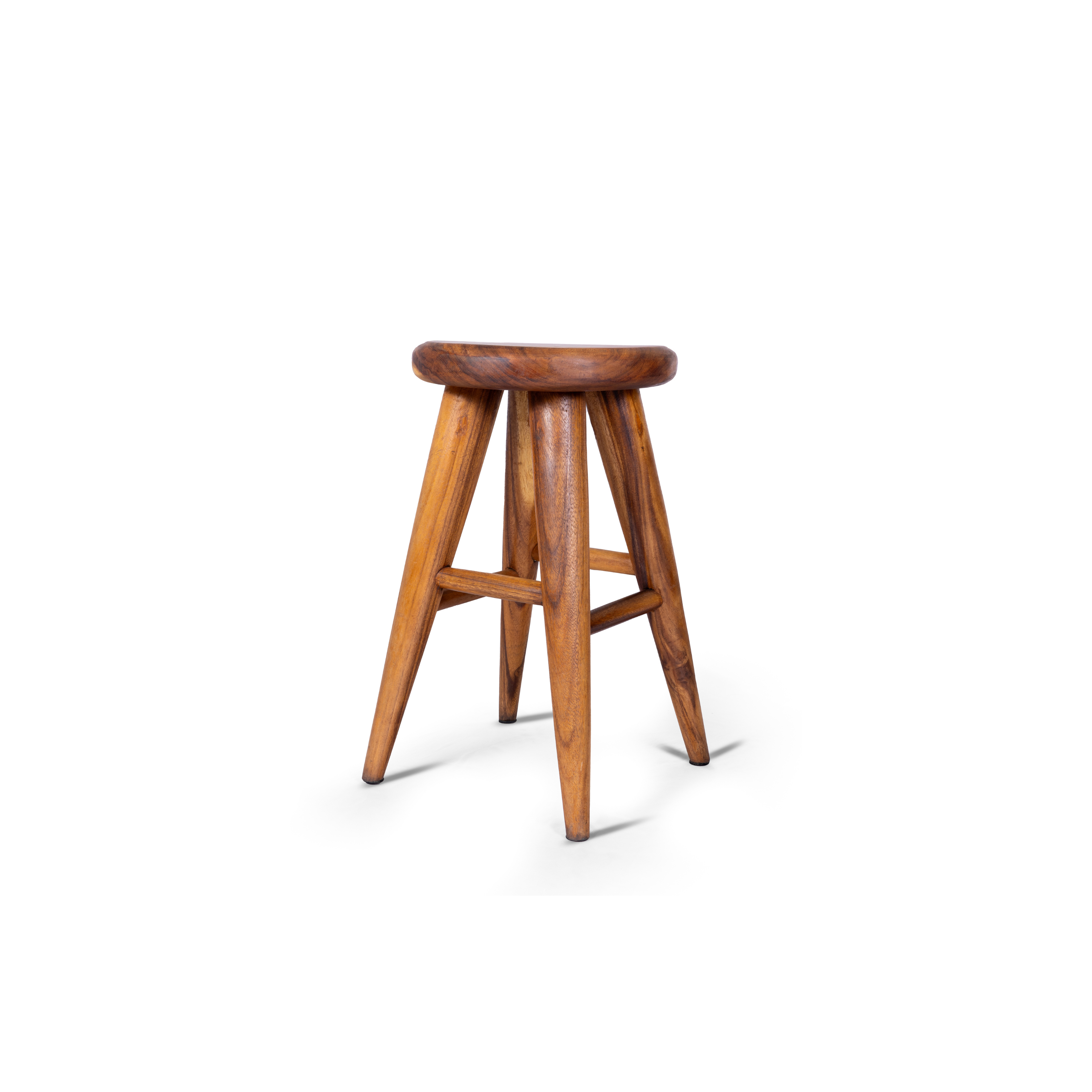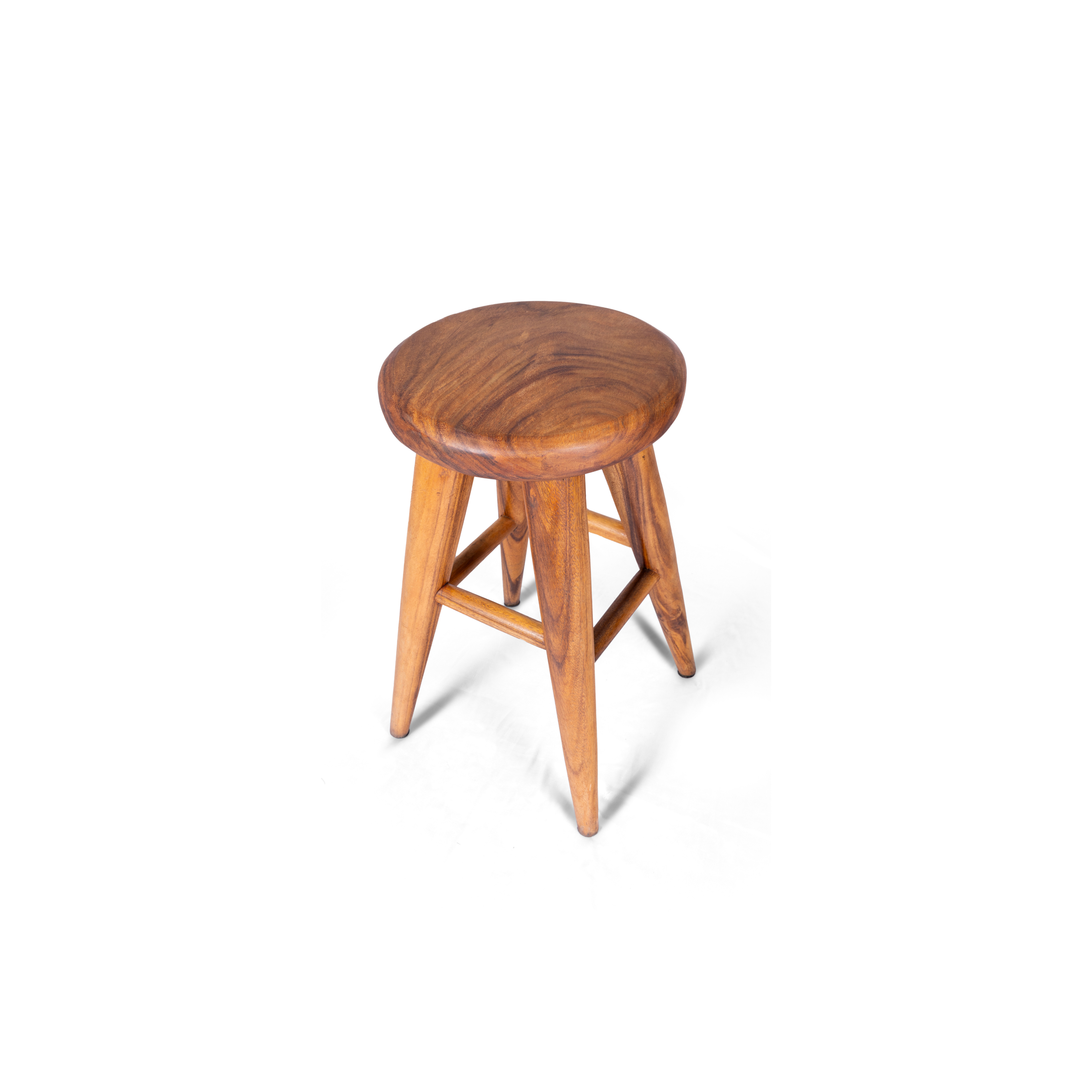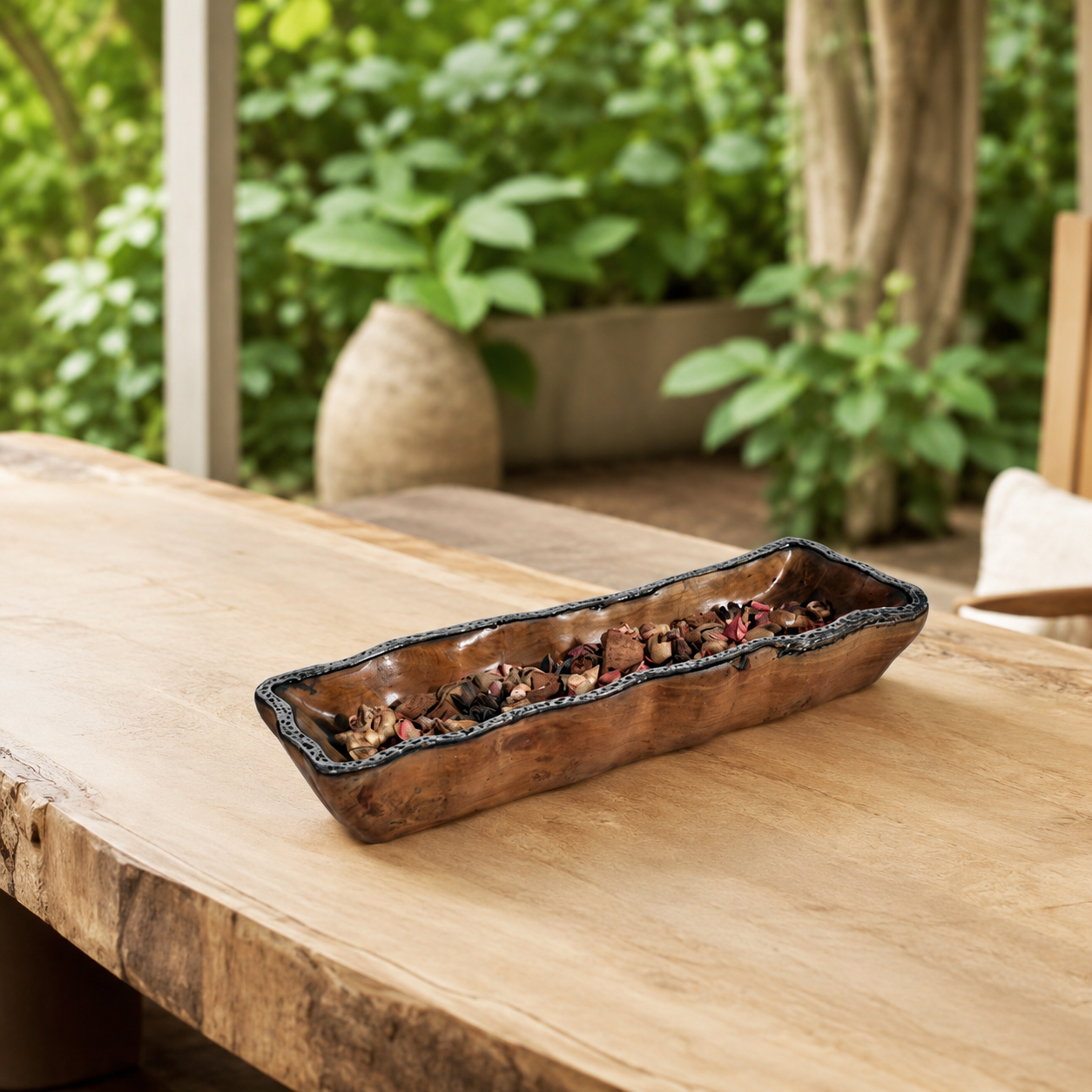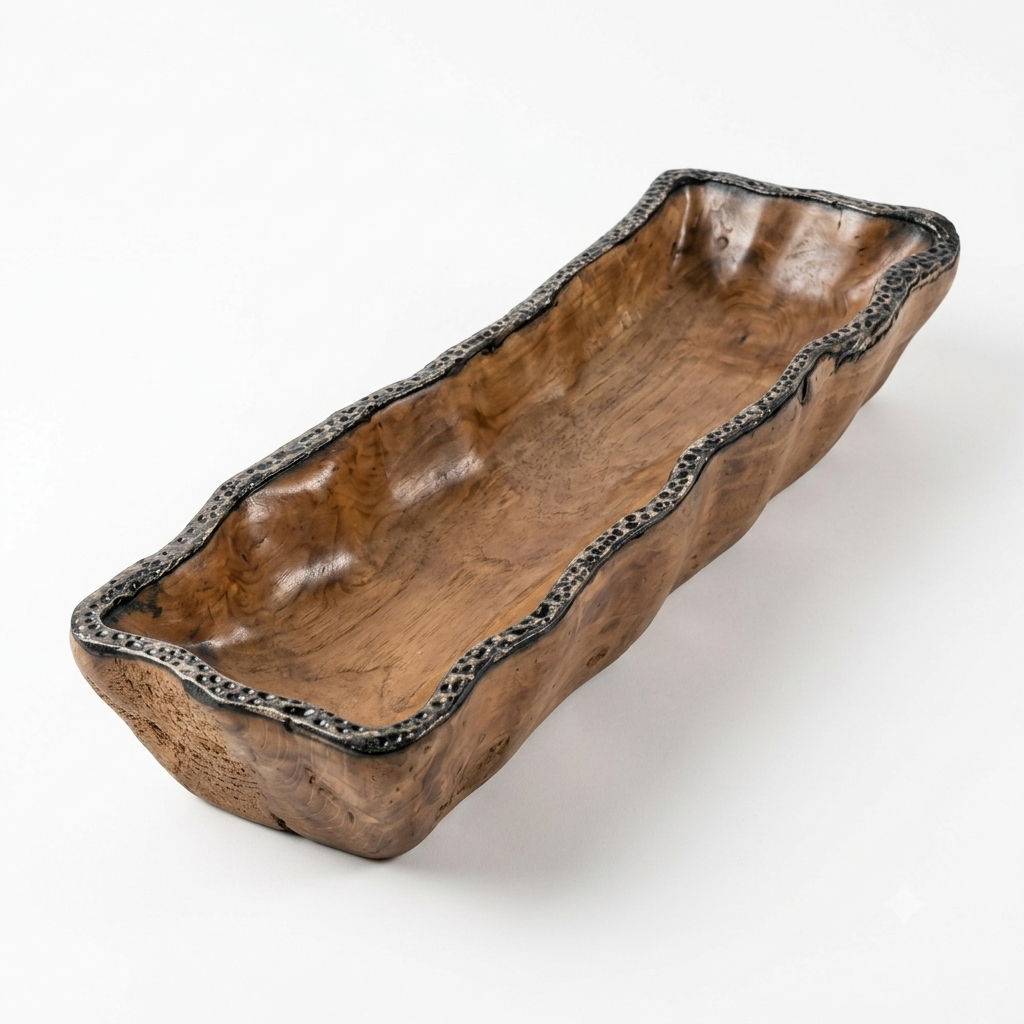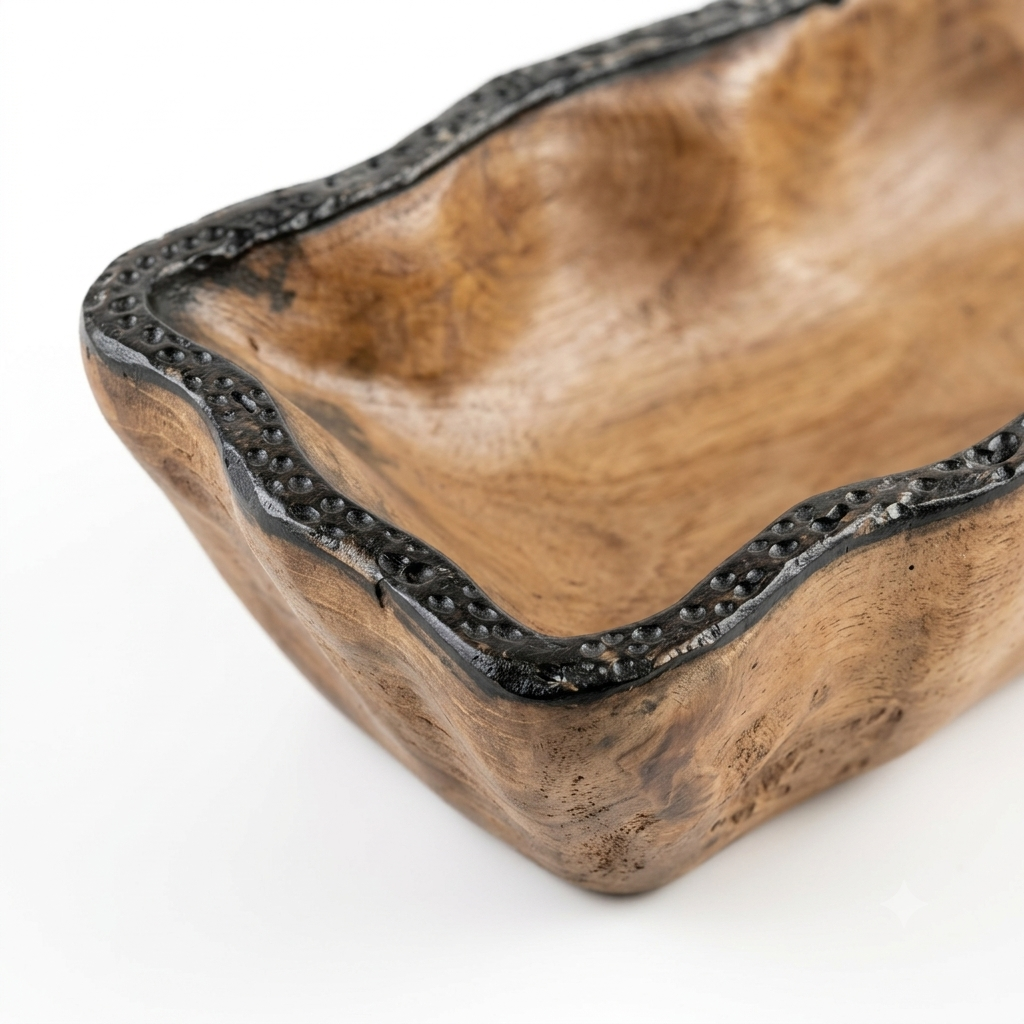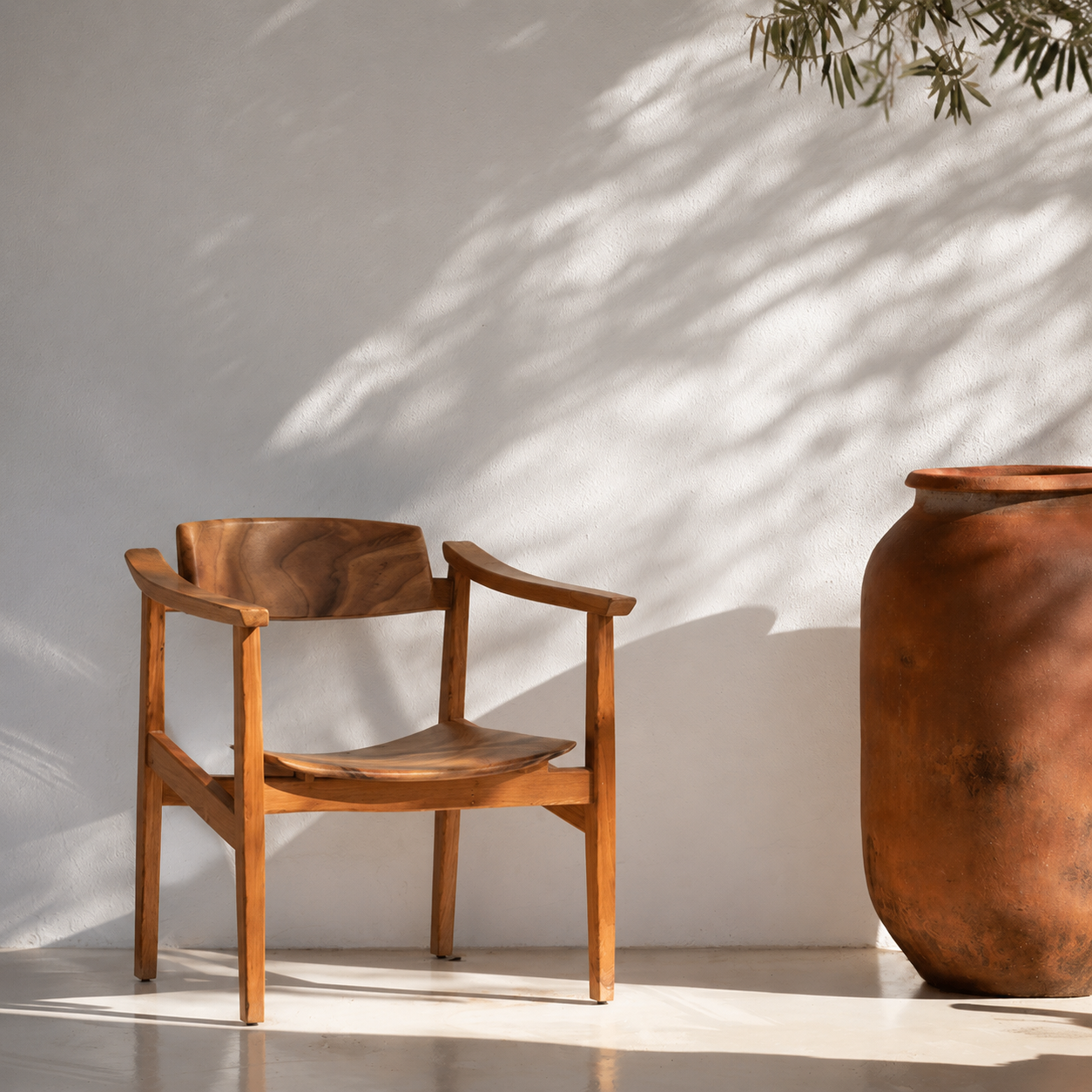

In a world increasingly defined by precision, symmetry, and mass production, live edge furniture offers something refreshingly authentic. It celebrates the natural form of wood, preserving its original contours, textures, and character while transforming it into functional art.
Whether it's a dining table that becomes the centerpiece of family gatherings or a console that instantly captures attention, live edge furniture brings warmth, individuality, and a sense of connection to nature that few materials can replicate.
The Origins of Live Edge Furniture
The roots of live edge furniture can be traced back to early woodworking traditions where timber was often used in its most natural form. However, the movement gained prominence through the work of renowned Japanese-American woodworker George Nakashima in the mid-20th century. Nakashima challenged conventional furniture making by embracing knots, cracks, grain variations, and the natural edges of wood rather than removing them. His philosophy was simple: every tree has a story worth preserving.
Today, live edge furniture has evolved into a globally admired design category, finding its place in luxury residences, boutique hotels, contemporary offices, and designer spaces around the world.

What Exactly Is Live Edge?
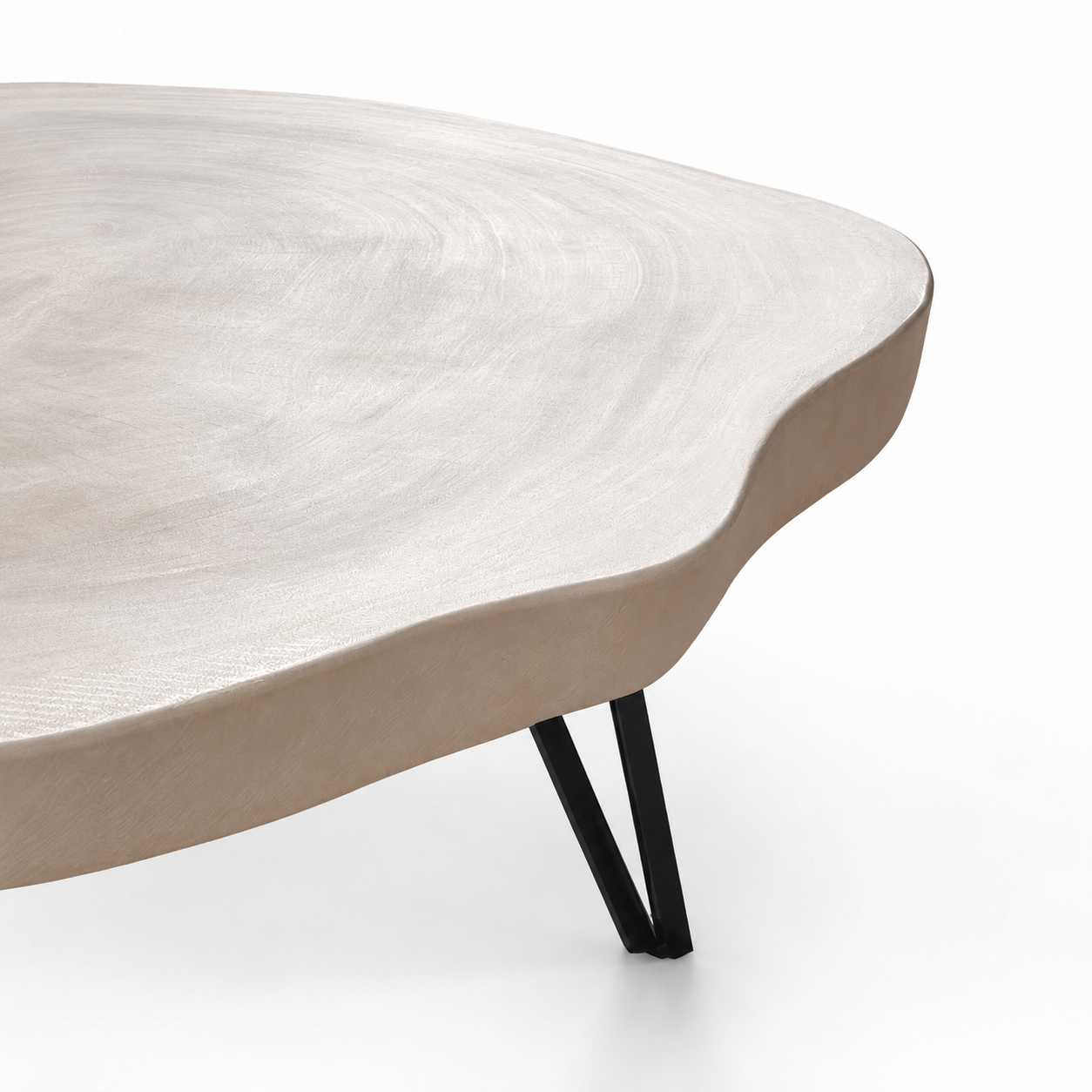
Live edge refers to furniture crafted from wood slabs where at least one edge retains the natural shape of the tree. Instead of being cut into straight, uniform lines, the original contours of the timber are preserved and highlighted.
The result is a piece that feels organic and unique. No two live edge tables, benches, or consoles are ever identical because no two trees grow the same way.
The beauty lies in embracing nature's imperfections rather than concealing them.

Why Live Edge Furniture Is So Appealing
Every Piece Is One of a Kind
Unlike factory-made furniture, live edge pieces cannot be replicated exactly. The grain patterns, natural curves, knots, and markings create a unique visual identity that belongs exclusively to that piece.
It Brings Nature Indoors
Live edge furniture creates a strong connection between interior spaces and the natural world. The organic lines soften architectural rigidity and introduce warmth into modern environments.
A Balance Between Rustic and Contemporary
One of the reasons live edge has remained popular is its versatility. A live edge dining table can complement a rustic farmhouse interior just as beautifully as it can elevate a minimalist contemporary home.
It Ages Gracefully
Natural wood develops character over time. As the years pass, live edge furniture often becomes even more beautiful, reflecting the life lived around it.
Characteristics of Genuine Live Edge Furniture
Several features distinguish authentic live edge furniture from conventional wooden pieces:
-
Natural, uncut edges that follow the original contour of the tree
-
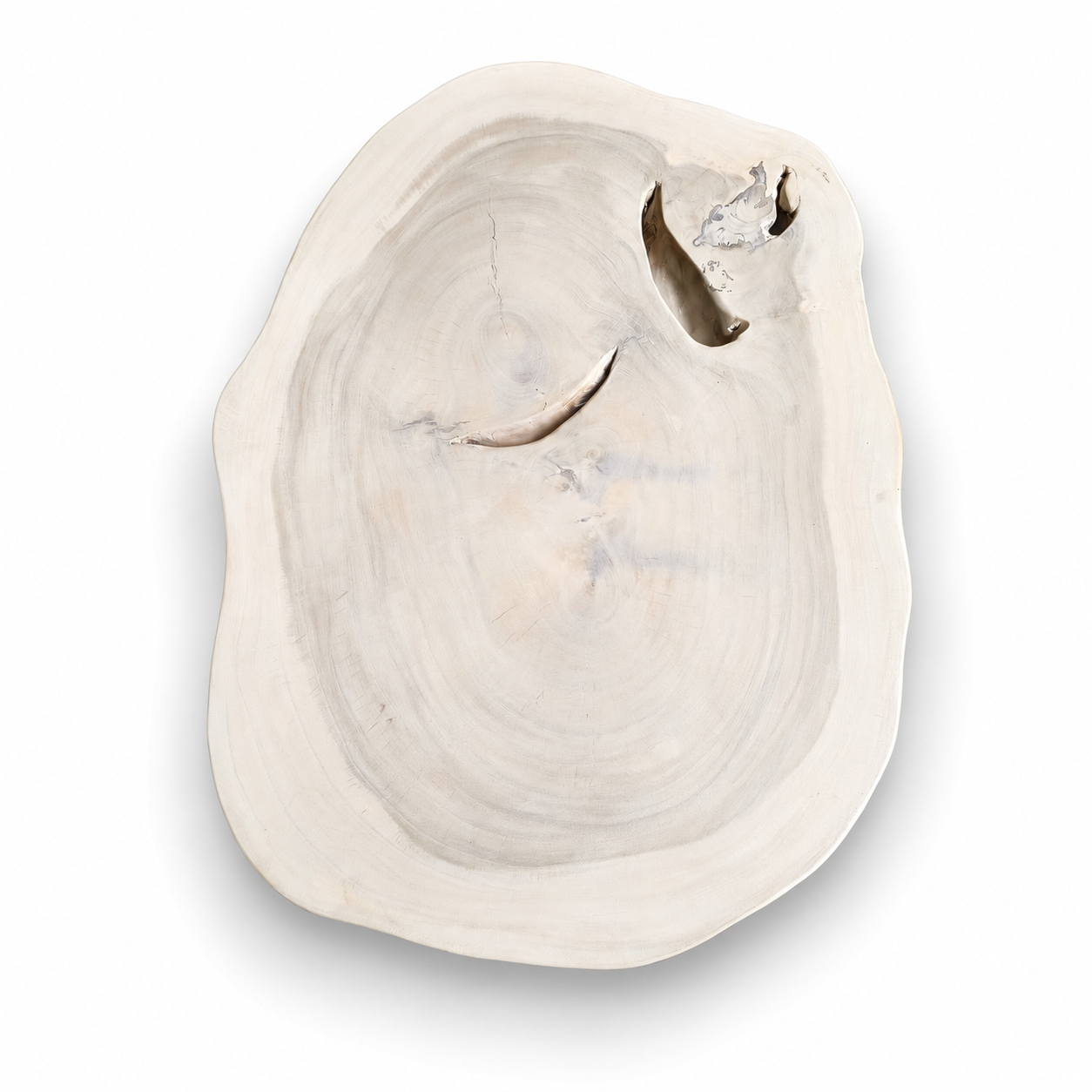
Distinctive grain patterns unique to each slab
-
Visible knots, cracks, and natural markings
-
Rich texture and depth
-
Organic silhouettes instead of geometric perfection
-
A handcrafted appearance that showcases the artisan's skill
These characteristics are not flaws. They are the very elements that give live edge furniture its personality and charm.

Live Edge in Modern Design
Over the past decade, live edge furniture has become increasingly prominent in contemporary interiors. Designers often use these pieces as focal points because they instantly add depth, texture, and visual interest.
The philosophy behind live edge also aligns closely with design movements such as Wabi-Sabi, which embraces natural beauty and imperfections. Architectural Digest has highlighted the use of live edge elements in contemporary homes where imperfections are celebrated as part of the overall design narrative.
From dining tables and coffee tables to consoles, shelving, and wall décor, live edge furniture continues to bridge the gap between craftsmanship and nature.

Caring for Live Edge Furniture
While live edge furniture is built to last, proper care helps preserve its beauty for generations.
Avoid Direct Sunlight
Prolonged exposure to direct sunlight can cause fading and uneven coloration. Position your furniture away from intense sun or use window treatments where necessary.
Maintain Stable Humidity Levels
Wood is a natural material that responds to environmental conditions. Extreme fluctuations in humidity can lead to movement, expansion, or contraction over time.
Clean Gently
Use a soft, dry cloth for regular dusting. For deeper cleaning, a slightly damp cloth is usually sufficient. Avoid harsh chemicals and abrasive cleaners.
Protect the Surface
Use coasters, placemats, and trivets to protect the finish from heat, moisture, and stains.
Recondition Periodically
Depending on the finish and usage, occasional conditioning or refinishing may help maintain the wood's natural richness and sheen.

Why Live Edge Remains Timeless
Trends come and go, but materials rooted in nature rarely lose their appeal. Live edge furniture offers something that machine-made products cannot: individuality, authenticity, and a tangible connection to the natural world.
Each piece tells a story that began decades before it entered a home. The grain patterns record seasons of growth, the knots mark moments in the tree's life, and the natural edge preserves its original form.
In an age of uniformity, live edge furniture reminds us that true beauty often lies in what is naturally imperfect.
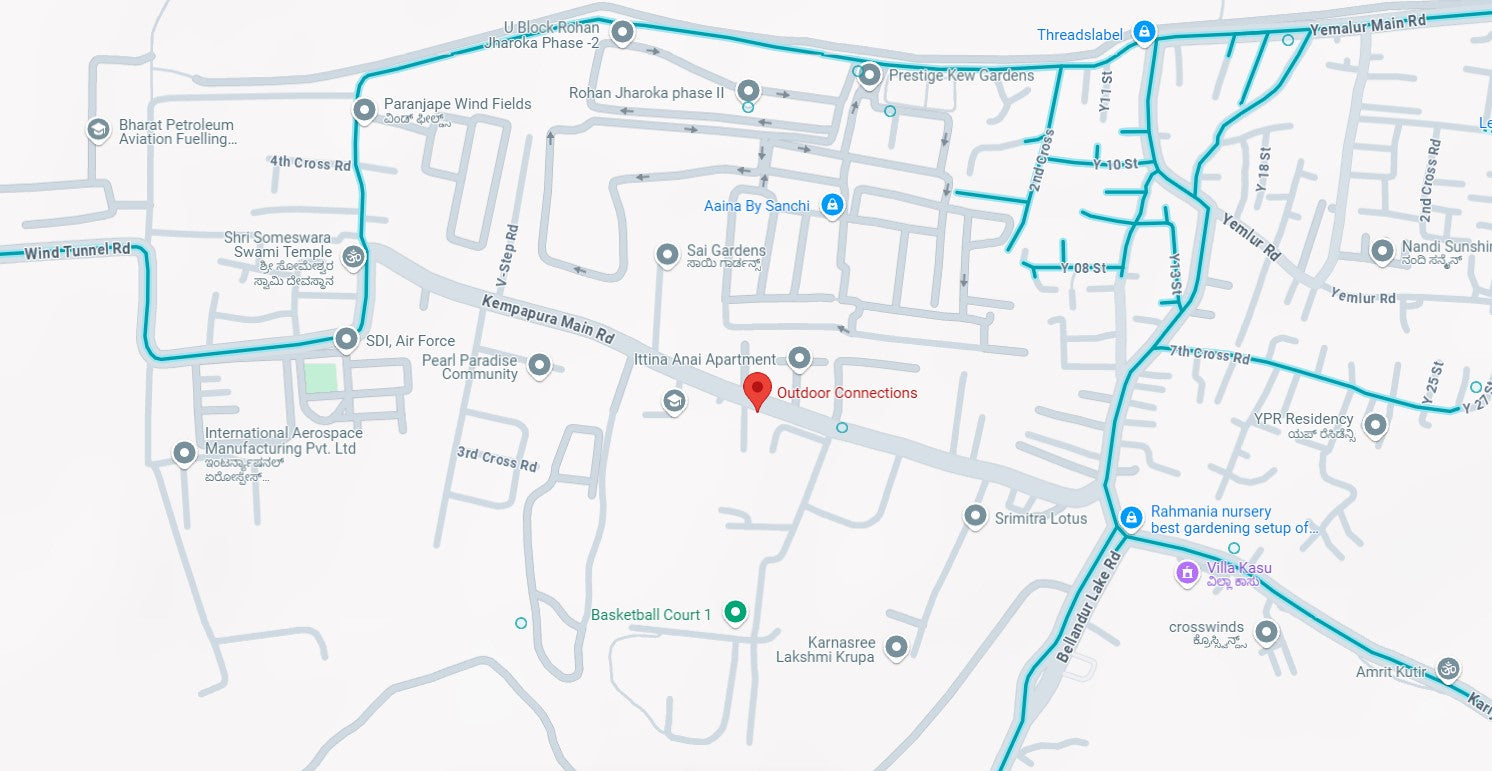
At Outdoor Connections, we celebrate this philosophy by carefully selecting and crafting live edge pieces that honor the character of the wood while creating furniture designed to be enjoyed for generations.